


SKU #37902
·
44 views
Barley Amil
Barley
Prices in stores
No offers yet — stores have not added prices for this product yet.
Similar varieties with prices
-
Natair
from 18.29 €
-
 PegasusDEUTSCHE SAATVEREDELUNG AG
from 9.58 €за л
PegasusDEUTSCHE SAATVEREDELUNG AG
from 9.58 €за л
-
 JakubusNORDSAAT SAATZUCHT
from 0.11 €per 1 kg
JakubusNORDSAAT SAATZUCHT
from 0.11 €per 1 kg
-
 Ninth Valve
from 0.25 €per 1 kg
Ninth Valve
from 0.25 €per 1 kg
Plant Type
Spring barley
Registration year
2021
Your mark
0 votes
0% positive ratings
Description
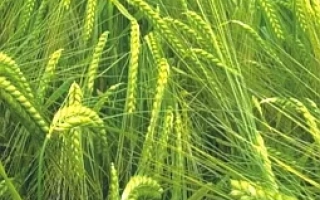
Amil — this is a barley variety selected for its high resistance to lodging, making it a reliable choice for cultivation under various agroclimatic conditions. This variety was studied at the V.Ya. Yuryev Institute of Plant Growing of NAAS in 2018–2019, where its productivity, morphobiological characteristics, and agronomic traits were examined. Amil is distinguished by high productivity and resistance, confirming its value for breeding and agricultural production.
The Amil variety is characterized by an optimal vegetation period, which contributes to the formation of a stable yield. Its morphobiological features ensure good development and high grain yield, making it attractive to farmers seeking a high-quality and abundant harvest. High resistance to lodging reduces yield losses and facilitates harvesting, increasing the economic efficiency of cultivation.
Amil is a valuable breeding material for hybrid selection, enabling the creation of new varieties with improved characteristics. Its use in agronomic technologies helps increase the productivity and resistance of barley crops, which is important for ensuring food security and the development of agriculture.
The Amil variety is characterized by an optimal vegetation period, which contributes to the formation of a stable yield. Its morphobiological features ensure good development and high grain yield, making it attractive to farmers seeking a high-quality and abundant harvest. High resistance to lodging reduces yield losses and facilitates harvesting, increasing the economic efficiency of cultivation.
Amil is a valuable breeding material for hybrid selection, enabling the creation of new varieties with improved characteristics. Its use in agronomic technologies helps increase the productivity and resistance of barley crops, which is important for ensuring food security and the development of agriculture.
Crop & resistance
Crop
Specifications
| Plant Type | |
|---|---|
| Registration year | 2021 |
| Catalog | Catalog → Barley |
| Legal data |
Show · 1
|
| Country | Ukraine |
No reviews yet. Be the first to share your experience.
Alternatives
Barley seeds · similar varieties



See also
Often considered together with this variety


Recently viewed
Products you’ve viewed on this site
Reviews