
Scientists Pinpoint 'Tipping Point' for Wine Varieties Under Climate Change
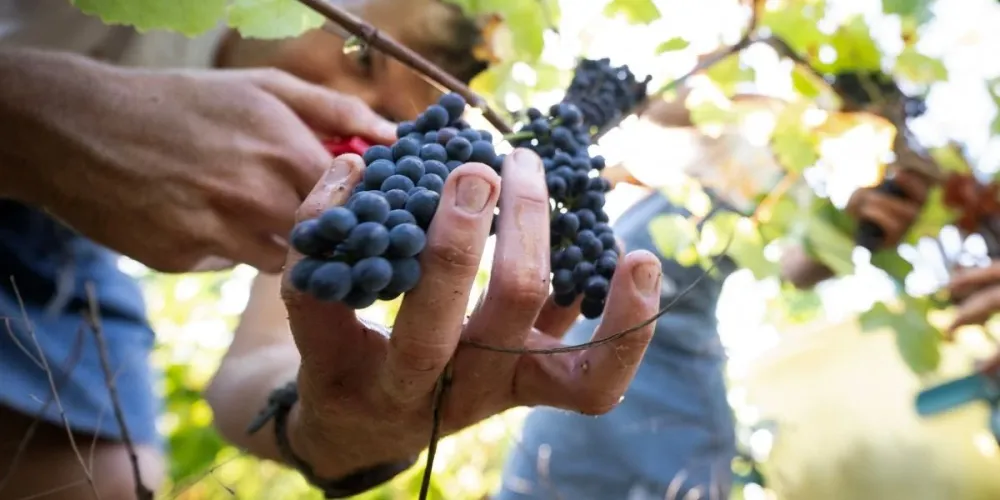
As Europe and other major wine-producing regions experience increasingly hot and dry summers, the future of iconic grape varieties remains in question. A recent study conducted by viticulture experts from France, Germany, and Argentina examined how two of the most popular wine grape cultivars—Pinot noir and Chardonnay—are likely to cope as drought becomes more prevalent. Published in the journal Food Chemistry: X, the study highlights the significant challenges that climate change poses to the long-term viability of specific high-end wines.
The researchers analyzed grape samples collected from 80 vineyards across 13 regions in France, Italy, Germany, Portugal, and Argentina, covering the 2019, 2020, and 2021 vintages. To measure the water status of the vines, the team utilized carbon isotope analysis, a highly reliable indicator of water stress in Vitis vinifera. The study aimed to understand how these vines react to conditions similar to a 2 °C increase in global temperature, a scenario that is rapidly becoming a reality for many heritage vineyards.
The findings present a distinct contrast between the two varieties. Chardonnay appears to be more robust, with its metabolic response to water deficit remaining linear. It did not reach a critical 'tipping point' during the study period, suggesting a higher adaptability to shifting environments. This indicates that growers may continue to produce quality Chardonnay even as extreme weather patterns become more frequent, provided that water management practices are optimized.
In contrast, the outlook for Pinot noir is more concerning. The researchers identified a clear 'tipping point' for this variety. Once the vines were subjected to severe water stress, the metabolites essential for the wine's characteristic sensory profile began to degrade. This implies that beyond a certain threshold of drought, the 'terroir'—the unique character imparted by the environment—is lost, and the overall quality of the vintage is significantly compromised.
Viticulturists, such as Sébastien Nicolas of the Institut Universitaire de la Vigne et du Vin, note that adapting is difficult for regions with strict regulations, such as the Loire Valley or Burgundy. For these areas, changing cultivars is a last-resort option because the identity of the wine is fundamentally linked to the heritage variety. As climate change continues to impact these regions, the industry faces an urgent need to develop strategies that can protect these legacy vines, as the sensory characteristics that define premium red wines are increasingly at risk.
Not yet comments. Be the first!
Comments · 0