
Ontario grape growers assess winter damage as local wine demand surges
Ontario grape growers are beginning to assess the effects of one of the coldest and most persistent winters in recent memory. CBC reported that the full scale of crop loss will only become clear later in spring, but the industry already sees meaningful differences by region. Preliminary signs point to at least some losses in Niagara-on-the-Lake and heavier damage in the Lake Erie North Shore area near Windsor and the US border.
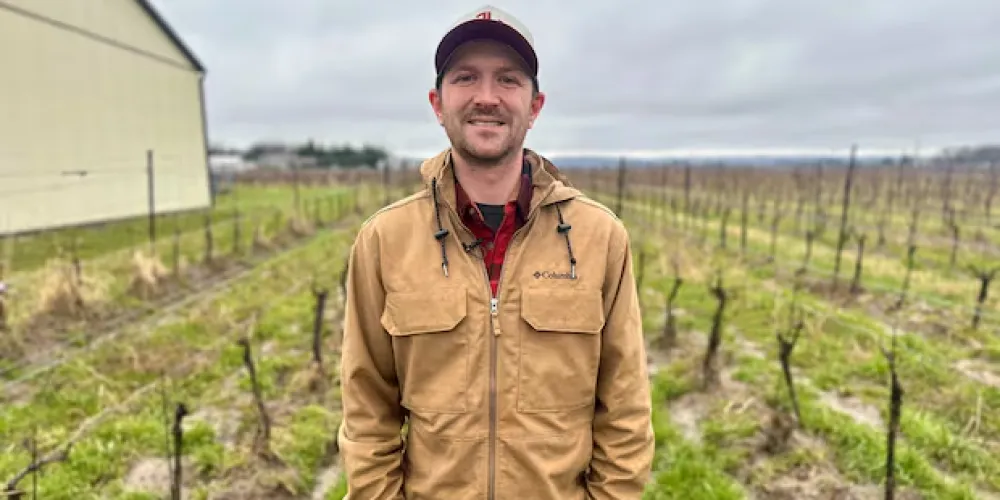
Quinton Jenkins of Jenkins Vineyards Niagara said temperatures at his site dropped to around minus 19 degrees Celsius. He explained that bud death can start around minus 17 to minus 18 degrees, which is why vineyards use wind machines to pull warmer air down toward the vines. On his property, the noticeable damage so far is concentrated in merlot, where bud loss is running between 30 and 50 percent.
Jenkins added that the current situation still looks less severe than the winter damage seen in 2022. Ontario Craft Wineries vice-chair Stephen Mitchell said the picture varies sharply not only by region but also from vineyard to vineyard. In Prince Edward County, for example, some growers had already buried vines for winter protection, which should leave them in better shape. That regional variation means the final provincial outcome will depend heavily on how each block comes through spring.
One reason the sector remains relatively confident is the ability of wineries to cooperate when local losses occur. Mitchell said Ontario producers often support one another by sharing grapes from less affected areas so that wineries across the province still have fruit to work with. Those conversations are already underway, including with growers in Niagara who appear to have escaped the worst of the damage. The industry view is that one hard winter can be managed, while repeated severe seasons would be much harder to absorb.
The winter threat comes at a time when demand for Ontario wine is unusually strong. CBC said local wine sales surged after the Doug Ford government directed the LCBO to remove US alcohol from store shelves during the trade dispute with the United States. For smaller producers, that created a major opening in the domestic market. David Eiberg of Therianthropy said the turnaround in interest for Ontario wine felt almost overnight, and he noted that local wines are also winning recognition on the international stage.
Despite the weather risk, some growers remain commercially well placed. Jenkins said he has already sold all of his grapes for this year's harvest and is not worried about finding buyers. That is an important signal for the sector: even when vines take winter stress, strong local demand can soften the immediate business impact. The final balance for the 2026 harvest will depend on how many viable buds survive and how evenly vineyards in different Ontario regions recover once temperatures stabilize.
Not yet comments. Be the first!
Comments · 0