
How to Protect Winter Rapeseed and Wheat from Pests in Prykarpattya
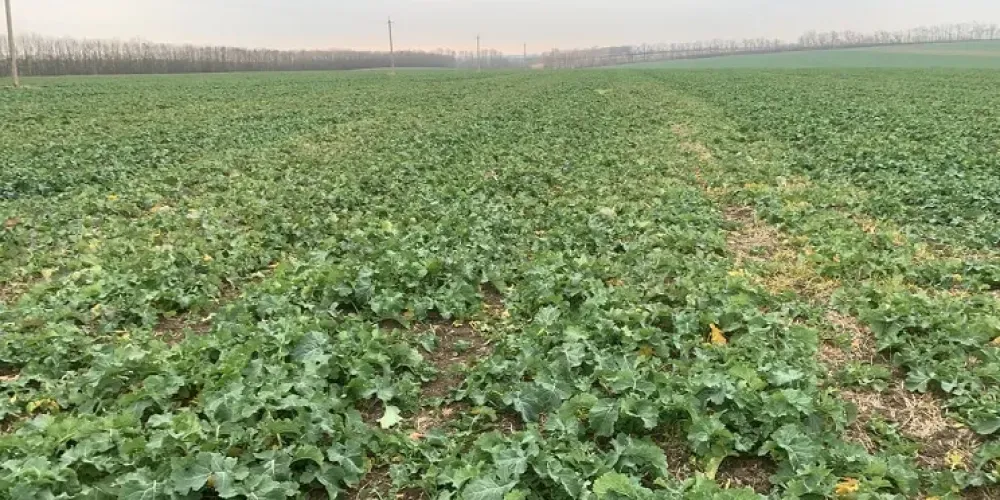
Unusually high air temperatures across the Ivano-Frankivsk region this October are creating significant agronomic risks for winter crops. Due to the prolonged warm spell, a sharp increase in the population of pests has been observed, directly threatening the upcoming harvest of winter rapeseed and wheat.
According to phytosanitary monitoring data, the current weather conditions stimulate the mass reproduction of harmful organisms across local fields. In winter rapeseed crops, agronomists report particularly high activity of slugs, cutworm (winter moth) caterpillars, and the rapeseed sawfly. Meanwhile, winter wheat is also suffering from localized damage caused by cutworm caterpillars and other insects actively feeding on young seedlings.
To effectively counter these threats, specialists advise farmers to start with a thorough inspection of their fields. If the pest population exceeds the economic threshold of harmfulness and the air temperature remains at least +12 °C, applying chemical control measures is deemed appropriate.
It is crucial to use only plant protection products officially registered in Ukraine, strictly following the manufacturer's instructions. Spraying should preferably be carried out in calm, windless weather during early morning or evening hours. Combining pesticides for simultaneous pest and disease control is permitted provided the products are fully compatible.
Special attention must be paid to environmental safety, particularly the protection of bees and other pollinators. Farmers are required to notify community leaders and local beekeepers about scheduled treatments at least three days in advance, specifying the exact date, product name, and toxicity period, while also placing warning signs along the edges of treated fields.
Not yet comments. Be the first!
Comments