
Resuming Spraying After a Stop: Recommendations for Farmers
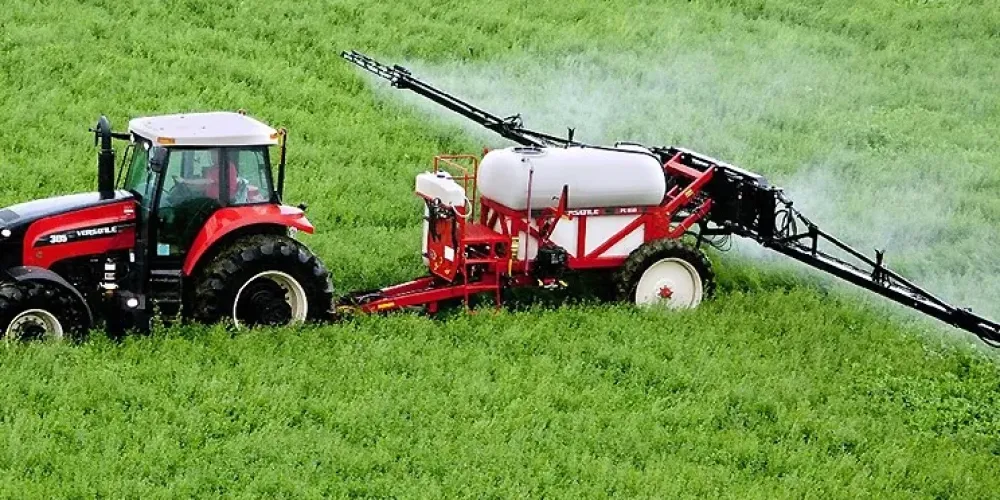
Forced stoppages of field operations caused by air raid alerts or other unforeseen situations have become a routine challenge for farmers in Ukraine. To maintain the effectiveness of plant protection products and avoid wasting valuable resources, it is essential to know how to properly resume spraying after a pause. This helps prevent crop losses and ensures the proper chemical efficacy across agricultural fields.
Before resuming operations, the operator must carefully inspect the entire working solution delivery system. Special attention should be paid to the condition of the mixture: if the downtime was prolonged, it is critical to ensure that the solution remains homogeneous and has not separated. The mixing system inside the tank must function properly to prevent sedimentation, which can easily clog machinery lines.
Next, an inspection of the fluid supply system is required. First and foremost, the system pressure must be checked, along with the condition of filters and nozzles. Clogged filters or spray tips can lead to uneven distribution of pesticides, negatively affecting the quality of crop treatment. Thoroughly inspecting these elements helps prevent missed spots or excessive chemical concentrations in specific areas.
Many modern sprayers are equipped with precision farming systems and GPS navigation, making it much easier to resume work after a stoppage. However, operators should not rely solely on automation; they must verify that the machine correctly resumes its route according to the task map. It is vital to cross-check the unit's coordinates with those recorded before the pause.
Avoiding double treatment on the same strips is crucial, as overlapping can lead to phytotoxicity due to excessive pesticide application. A disciplined approach—checking pressure, nozzles, and navigation accuracy—guarantees maximum operational efficiency and stable crop development under current agricultural conditions.
Not yet comments. Be the first!
Comments