
India’s sugar output seen rising 12% in 2026-27 on higher cane area and better recovery
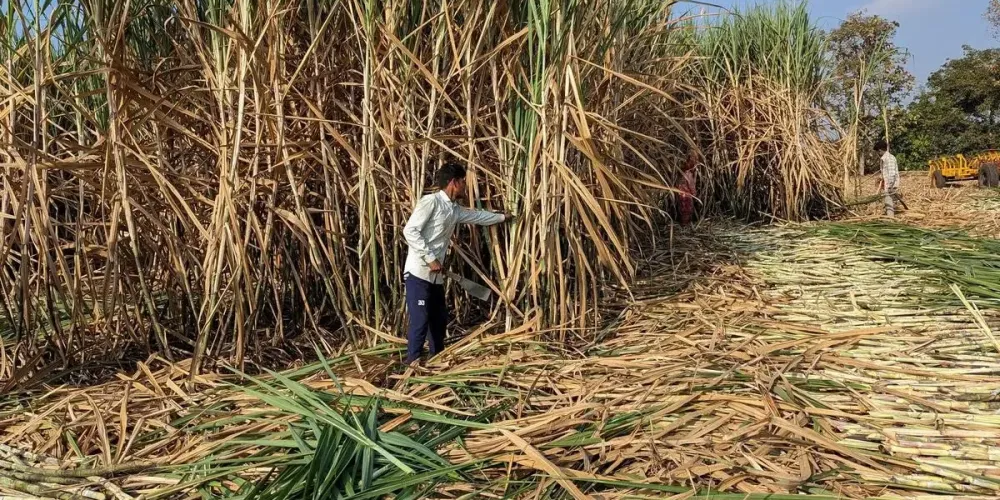
India’s total sugar production in the 2026-27 season, which begins in October, is expected to rise 12% to about 33.6 million tonnes on a raw-value basis, up from 30 million tonnes in the current season. The outlook comes from USDA’s Foreign Agricultural Service office in New Delhi, which linked the increase to stronger cane production, healthy crop conditions and improved sugar recovery.
FAS New Delhi said the 33.6 million-tonne projection includes 31.4 million tonnes of crystal sugar and 62,000 tonnes of khandari. The estimate is based on field surveys carried out in March 2026 across the main sugarcane districts of Maharashtra, where the agency found healthy crop stands and favourable growing conditions. It also expects sugarcane planted and harvested area in 2026-27 to rise 2% to 5.9 million hectares, while cane production itself is projected to increase 2% to 463 million tonnes.
A central reason for the stronger forecast is the run of favourable monsoons in both 2024 and 2025. According to FAS, those two seasons restored groundwater levels and replenished surface water in the major producing states of Maharashtra, Uttar Pradesh and Karnataka. Because sugarcane is highly water-intensive, that recovery in irrigation capacity after the 2023 El Nino shock is seen as the main factor supporting higher planting and better yields.
The agency also projects sugar recovery at 9.2%, up from 8.3% in the current year. It said adequate soil moisture through key growth stages improved sucrose accumulation, while field work in Maharashtra pointed to robust vegetative growth and strong crop establishment. The forecast assumes weather remains supportive, mills continue operating without major disruption and existing government support through the Fair and Remunerative Price system remains in place.
FAS added that policy incentives, including ethanol procurement guarantees under India’s National Biofuel Policy, continue to support cane over competing crops such as cotton and pulses. Khandsari and jaggery output is expected to rise 3% as demand grows for traditional unrefined sweeteners. On the demand side, centrifugal sugar consumption in 2026-27 is forecast at 31 million tonnes on a raw-value basis, meaning domestic production would exceed consumption for the first time in two years and leave the market with a more comfortable supply balance.
Not yet comments. Be the first!
Comments