
India considers restricting Carbosulfan insecticide use
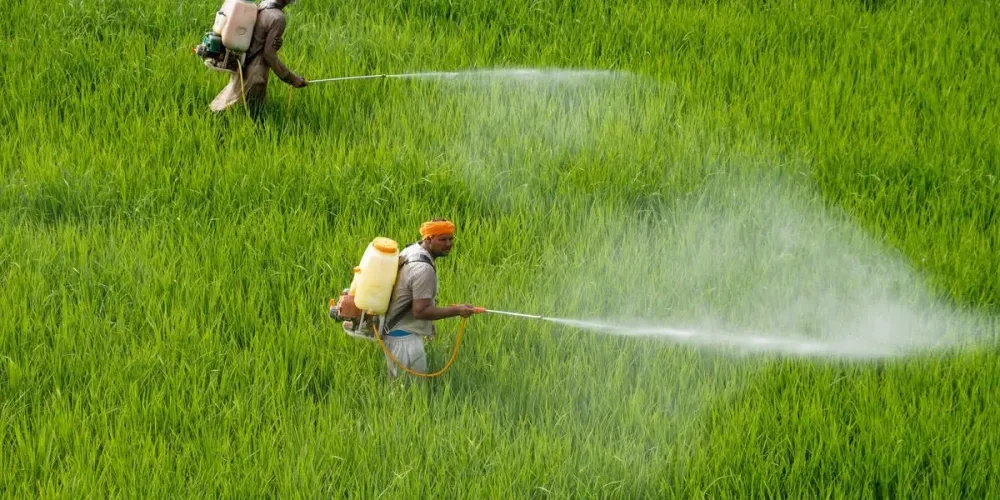
The Indian government is actively considering restricting the use of Carbosulfan, a popular insecticide widely applied to paddy, cotton, and various horticulture crops. A final decision regarding the regulatory status of this substance is expected by the end of August 2026. This move comes closely on the heels of a proposed ban on the herbicide Paraquat issued in July, reflecting an intensified effort by the government to improve food safety and promote healthier agricultural practices across the country.
Currently, FMC India markets the insecticide under its 'Marshal' brand, which consists of a 25% emulsifiable concentrate of Carbosulfan. The company describes the product as a broad-spectrum insecticide, providing effective control over both chewing and sucking pests through dual contact and stomach poison action. Notably, in May 2026, FMC Corporation entered into a definitive agreement to sell its India commercial business to Crystal Crop Protection for $252 million. This transaction encompasses the acquisition of commercial operations in the crop protection segment, including licenses for FMC brands sold within the Indian market.
Sources indicate that the Ministry of Agriculture, which has officially categorized Carbosulfan as "highly toxic," began taking action on the restrictive proposal following formal recommendations from the Central Insecticides Board and Registration Committee (CIB&RC). During a meeting held on June 29, the committee thoroughly reviewed the report of an expert panel regarding both Paraquat Dichloride and Carbosulfan. They deliberated on the matter under section 27(2) of the Insecticides Act, 1968, ultimately deciding to communicate these findings to the government for final consideration.
The regulatory scrutiny of Carbosulfan follows the government’s July 14 draft order proposing a total ban on Paraquat Dichloride, citing its severe toxicity to humans and animals. While industry sources suggest that concerns regarding Carbosulfan are not as extreme as those linked to Paraquat, the substance’s inclusion in the Rotterdam Convention has necessitated stricter oversight. Under this convention, signatory nations must notify relevant authorities when importing the formulation, making current free-market access and usage problematic for the Indian government to maintain.
Once Carbosulfan is placed under a restrictive category, farmers who currently purchase and use the product without significant oversight will likely face new regulatory guidelines. Experts working with producers in sectors like cumin cultivation note that Carbosulfan residues have become a point of contention for exports to the European Union, which maintains stringent maximum residue limits. By restricting the insecticide, the Indian government aims to better regulate its use and ensure that agricultural products align with the increasingly rigorous international export standards.
Not yet comments. Be the first!
Comments