
Plant viral diseases
viruses
Plant viral diseases are caused by viruses, which are submicroscopic obligate parasites composed of a genetic core (RNA or DNA) enclosed in a protective protein coat. They lack autonomous metabolic functions and rely entirely on the host plant's cellular machinery for replication.
What the section contains
Plant viral diseases
Once inside a plant cell, the virus hijacks the host's enzymes to synthesize its own nucleic acids and proteins. This resource depletion and cellular disruption interfere with the plant’s normal physiological processes and hormonal balance.
Viruses do not persist in soil for extended periods in the same way fungi do; rather, they overwinter in infected perennial plants, propagating material (seeds, tubers, bulbs), or within the bodies of insect vectors.
Transmission generally occurs when viral particles enter the plant through wounds. These injuries are frequently created by feeding insects, mechanical farming operations, or contact between healthy and diseased plants.
A vast range of crops is susceptible to these pathogens, including ornamental species like passion fruit, where viral infections typically cause severe leaf mosaic, stunted growth, and reduced fruit yield.
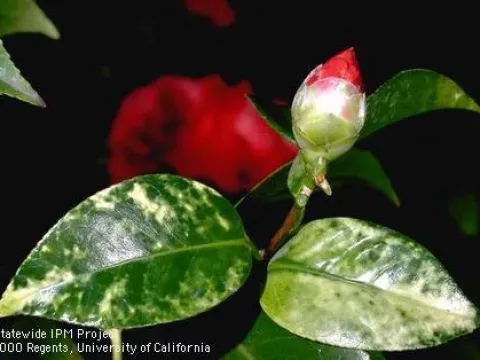
The symptoms of viral infections are highly variable but often present as mosaic patterns, where light and dark green patches alternate on the leaves. This is a primary indicator of disrupted chloroplast development.
Chlorosis, the yellowing of plant tissue due to the degradation of chlorophyll, is another common symptom. This significantly reduces the plant's photosynthetic efficiency, leading to overall weakness and slow growth.
Morphological abnormalities are frequently observed, including leaf curling, puckering, or the formation of string-like (filiform) leaves. These structural deformations are often accompanied by stunted growth and shortened internodes.
Necrosis, characterized by the appearance of dead tissue spots on leaves, stems, or fruits, occurs in more severe cases. These spots can coalesce and result in significant tissue dieback and premature leaf drop.
In crops like passion fruit, viral disease often manifests as fruit deformation, unsightly surface mottling, or reduced size, rendering the produce commercially unmarketable and poor in quality.
The spread of plant viruses is intrinsically linked to the presence of insect vectors. Sap-sucking insects, such as aphids, whiteflies, thrips, and leafhoppers, act as the primary vehicles for virus transmission between host plants.
Environmental conditions that favor the rapid reproduction and migration of these insect vectors directly accelerate the prevalence of viral diseases within a field or greenhouse setting.
Reservoir hosts play a critical role in the virus life cycle. Many common weeds serve as asymptomatic carriers of viruses, providing a constant source of inoculum that insects transport to healthy agricultural crops.
Human activity is a major factor in spreading viral infections. Routine operations like pruning, grafting, or harvesting can transfer viruses mechanically through contaminated blades or contact if sanitation protocols are neglected.
Plants under environmental stress—such as water deficit or poor nutrition—are generally more susceptible to viral invasion, as their weakened defense mechanisms allow the virus to colonize tissues more easily.
Viral diseases cause significant economic losses by drastically reducing crop yields. By disrupting plant metabolism, they stunt growth and decrease the uptake of essential nutrients, even in well-fertilized fields.
The quality of agricultural products is severely compromised by viral infections. Deformed fruits, discolored vegetables, and scarred berries fail to meet market standards, leading to substantial financial deficits for growers.
In nursery production, viruses are particularly dangerous due to their systemic nature. Infected propagative material, such as cuttings or rhizomes, perpetuates the disease into new plantings, leading to long-term decline.
Viruses leave plants more vulnerable to secondary infections by fungi and bacteria. The overall weakened state of the plant reduces its resilience to environmental stress, making successful cultivation difficult.
Severe infestations, particularly in delicate crops like passion fruit, can lead to the total collapse of the plant, often necessitating the complete removal and destruction of the entire crop population.
There are no chemical treatments available to cure a plant once it is infected with a virus. Consequently, the only effective management strategy relies on strict prevention and the containment of disease vectors.
The most fundamental practice is the use of healthy, virus-indexed propagation material. Utilizing nursery stock derived from meristem culture ensures that the crop starts the season free from viral pathogens.
Integrated Pest Management (IPM) is essential for controlling insect vectors. Regular monitoring and targeted insecticide applications prevent high populations of aphids or whiteflies from spreading the disease.
Strict sanitation measures must be enforced, including the thorough disinfection of tools between plants and the timely removal and disposal of any symptomatic plants to eliminate the source of infection.
- Routinely sanitize pruning tools using ethanol or bleach solutions.
- Implement effective weed control to remove reservoir hosts.
- Establish spatial isolation between different plant age groups.
- Select and plant resistant or tolerant crop varieties.
- Monitor for insect vectors daily during peak growth periods.