
Plantago mosaic virus
Tobamovirus plantagonis
Description
Symptoms
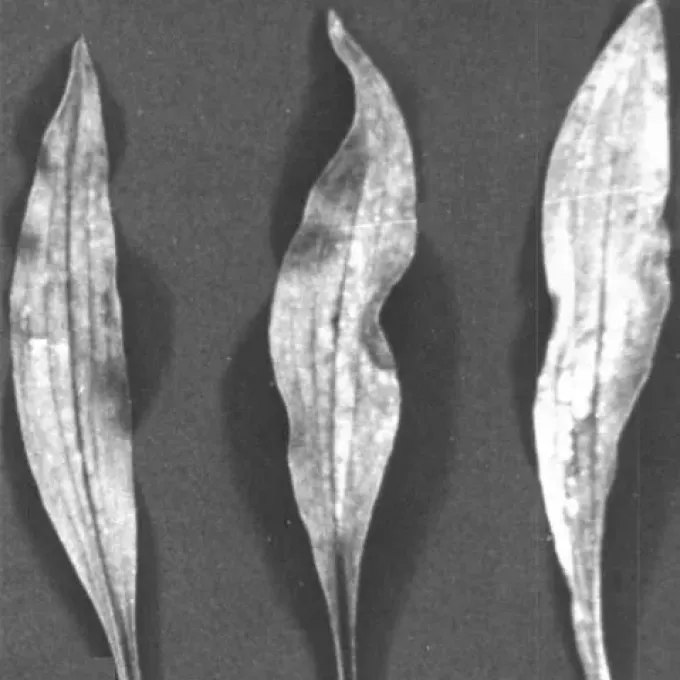
The most common symptom is the development of a distinct mosaic pattern on leaves, characterized by alternating light and dark green areas and chlorotic spotting.
Infected plants often exhibit signs of stunted growth. The distance between nodes decreases, and the overall plant size is significantly reduced compared to healthy counterparts.
Leaves may show severe deformation or puckering. The edges of the leaves might curl or become distorted, significantly impairing the plant's ability to perform photosynthesis.
Fruit symptoms include uneven ripening, necrotic spots, or unsightly striping. These defects drastically reduce the market value and quality of the harvested produce.
In certain environmental conditions, the infection may remain latent, showing no visible symptoms, yet the virus continues to compromise the plant's physiological functions.
Pathogen
Plantago mosaic virus (PlMV) is a member of the Tobamovirus genus. This plant pathogen contains single-stranded RNA and is known for its remarkable stability in the environment.
The virus particles are extremely resilient, allowing them to survive for long periods in soil, decaying plant matter, and on various surfaces, including farming equipment.
Transmission occurs primarily through mechanical inoculation. Any minor physical injury to a plant tissue, when in contact with an infected sap, leads to successful transmission.
Once inside the host, the virus spreads systemically via the phloem, eventually infecting all parts of the plant and disrupting normal metabolic processes.
Its wide host range includes many agricultural crops, particularly those in the Solanaceae family, as well as common weeds that act as long-term reservoirs.
Conditions for development
Optimal conditions for viral development involve warm temperatures and high humidity, which facilitate rapid replication and systemic movement within the host tissues.
Agronomic practices act as the primary catalyst for spread. Pruning, harvesting, and routine maintenance without proper tool sanitation are major drivers of infection.
Seed transmission is a major concern, as the virus can remain viable within the seed coat or embryo for extended periods, starting an infection cycle early.
High-density planting creates an ideal environment for the virus, as frequent physical contact between foliage allows for easy transmission through micro-wounds.
The presence of wild plant reservoirs, such as Plantago species, near commercial fields creates a permanent source of inoculum that can infect crops at any time.
Why it matters
The economic impact of this virus is significant, primarily due to the severe reduction in total yield caused by the plant's inability to thrive and reproduce.
Quality degradation is a major issue; deformed and spotted produce is often rejected by retailers, leading to financial losses for the grower.
Infected plants exhibit reduced vigor and weakened immunity, making them significantly more susceptible to opportunistic secondary infections by bacteria or fungi.
The cost of monitoring, rogueing (removing infected plants), and implementing strict sanitation protocols increases the overall production costs.
In extreme cases, widespread outbreaks can lead to total crop failure, necessitating the destruction of entire fields to prevent further contamination.
Protection
Preventative measures are the most effective strategy. Starting with high-quality, certified, and virus-free seed is the foundation of a clean crop.
Rigorous sanitation protocols must be followed. Tools should be disinfected frequently using appropriate chemical solutions to prevent mechanical transmission during field work.
Early detection and the immediate removal of symptomatic plants are essential to slow down the rate of infection and protect the surrounding crop.
Managing weed populations and maintaining a clean growing environment are critical to eliminating potential virus reservoirs on the farm.
- Implementing crop rotation schedules
- Using resistant or tolerant crop varieties
- Strict control of farm hygiene and visitor access
- Heat treatment or chemical disinfection of seeds
Discussion
No discussions yet — be the first.