
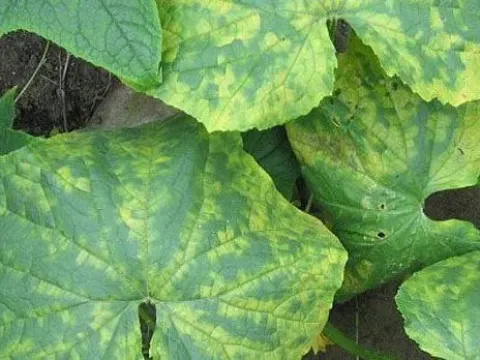
Cucumber green mottle mosaic virus
Tobamovirus cucumeris
The primary symptom of this infection is the appearance of a characteristic mosaic pattern with light green or yellow blotches on the younger leaves. The foliage acquires a mottled look, with uneven distribution of pigments, which is the hallmark of this viral attack.
What the section contains
Cucumber green mottle mosaic virus
As the disease progresses, the leaves often show signs of distortion, becoming wrinkled, crinkled, or curled. The infected plants exhibit severe stunting, reduced internode length, and a generally dwarfed appearance compared to healthy plants in the same crop.
Fruits from infected vines show significant loss in quality and marketability. Common symptoms on cucumbers include mosaic-like discoloration, uneven surface mottling, and the development of distorted, warty shapes that make the produce unsellable.
In severe cases, plants may develop localized necrosis or suffer from overall wilting. The reproductive capacity is severely hampered, leading to reduced flowering and poor fruit set, which significantly impacts the total yield of the plant.
While early symptoms might be subtle in field conditions, a close inspection of the growing point usually reveals initial chlorosis. This early stage is critical, as it indicates the systemic spread of the virus throughout the plant's vascular system.
The pathogen responsible is the Cucumber green mottle mosaic virus (CGMMV), a member of the Tobamovirus genus. It is a highly stable virus, capable of persisting for extended periods in soil, plant debris, and on greenhouse structural surfaces.
The virus is remarkably resilient, surviving desiccation, freezing, and exposure to many standard chemical disinfectants. This environmental persistence makes it extremely difficult to eradicate once it has established itself in a greenhouse facility.
Mechanical transmission is the primary route of spread. The virus is easily transferred through contaminated hands, pruning tools, irrigation systems, or even simple contact between infected and healthy foliage during routine crop management tasks.
The virus is also seed-borne, meaning it can be introduced to new planting areas via infected seeds. This underscores the necessity of sourcing certified, virus-tested seed lots to prevent the initial outbreak within a commercial or domestic setup.
At the cellular level, the virus exploits the plant's own mechanisms for rapid replication. Once it gains entry through micro-wounds, it moves systemically, making it impossible to cure an individual infected plant using conventional systemic treatments.
High temperatures, common in greenhouse environments, significantly promote the multiplication and spread of the virus. The optimal range for rapid viral accumulation in plant tissues typically falls between +25°C and +30°C.
High humidity combined with temperature fluctuations can stress the plants, making them more susceptible to viral invasion. These conditions also favor denser vegetative growth, which increases the likelihood of mechanical contact and disease spread.
Poor sanitation practices are the most critical factor in disease outbreaks. The failure to disinfect tools, workers' hands, or shared equipment between rows ensures that the virus spreads rapidly across the entire greenhouse compartment.
High-density planting configurations create a perfect corridor for viral transmission. As leaves of adjacent plants touch each other, even minimal tissue damage allows the virus to jump from an infected individual to a healthy neighbor with ease.
Presence of alternative hosts, particularly weeds from the Cucurbitaceae family, acts as a reservoir for the pathogen. These weeds may not show obvious symptoms but can maintain the viral load in the vicinity, creating a constant risk of infection.
The economic impact of this virus is substantial, with yield losses ranging from 30% to 80% depending on the timing of infection. Plants infected early in their growth cycle often fail to produce any viable commercial crop.
The quality of harvested fruit is severely degraded by mosaic patterns and deformities. Such produce lacks the necessary aesthetic appeal and shelf-life required by retailers, leading to high rejection rates and financial losses for growers.
Infection weakens the overall health of the plant, making it highly susceptible to secondary pathogens such as root rot or powdery mildew. This secondary infection often accelerates the decline of the plant, shortening the productive harvest period.
The disease leads to premature senescence of the foliage. Yellowing and death of the leaves occur much earlier than in healthy plants, which cuts off the nutrient supply and stops the development of new fruits and flowers.
Long-term management costs are a major burden, as growers must invest in rigorous cleaning, substrate replacement, and potential downtime for the greenhouse to break the cycle of infection, effectively forcing a shutdown of production.
Strict phytosanitary measures are the most effective way to control CGMMV. Growers must ensure that all seeds used are tested and certified to be free of the virus before planting begins.
All tools, such as pruning shears and knives, must be disinfected after every task using appropriate solutions like sodium hypochlorite or specialized viral disinfectants. Personal hygiene, including hand washing between rows, is mandatory.
Infected plants should be identified and removed immediately, including the root ball and surrounding soil. They must be destroyed off-site to prevent any further contact with healthy plants in the greenhouse.
Using immune-boosting biostimulants may help the plant cope with stress, but they cannot cure a plant once it is infected. Therefore, primary prevention remains the only viable strategy for long-term production success.
- Maintain optimal greenhouse climate to reduce plant stress.
- Implement an aggressive weed management program.
- Conduct thorough cleaning and disinfection of greenhouse structures between crops.
- Select and plant cucumber hybrids that show high resistance to Tobamoviruses.