
Tephrosia symptomless virus
Tephrosia symptomless
Tephrosia symptomless virus (TeSV) is a plant virus that belongs to the genus Carlavirus within the family Betaflexiviridae.
What the section contains
Tephrosia symptomless virus
The virus is characterized by its filamentous virion structure, which is typical for members of the Carlavirus genus infecting legumes and other hosts.
Its genome consists of a single-stranded positive-sense RNA, which facilitates its replication within the cytoplasm of plant cells.
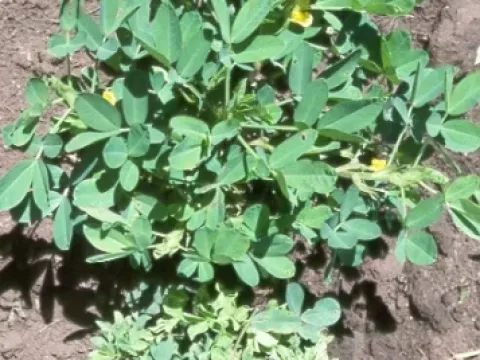
The virus is named for its primary host, Tephrosia, and its tendency to remain latent without causing clear visible symptoms in the host plant.
Molecular research confirms that TeSV can be identified through specialized diagnostic techniques, distinguishing it from other similar viruses.
The virus is primarily transmitted via insect vectors, with various aphid species serving as the most common agents for horizontal spread.
Mechanical transmission is another significant pathway, often occurring during field operations where contaminated tools or leaves transfer the pathogen.
Environmental conditions that favor high insect activity, such as warm and humid climates, significantly increase the rate of virus transmission in the field.
High planting densities create an ideal environment for the virus to spread, as foliage contact between plants facilitates mechanical transmission.
Seed-borne transmission is also a concern, as the virus can potentially persist in dormant seeds, ensuring its presence in subsequent planting cycles.
The primary hazard of Tephrosia symptomless virus is its latent nature, which allows it to spread undetected throughout a crop population.
Even without visible lesions or yellowing, the virus places a metabolic burden on the host plant, diverting resources to viral replication.
Infected plants may exhibit stunted growth and reduced vigor, leading to a general decline in the overall quality and yield of the harvest.
The virus impacts the physiological efficiency of the plants, particularly their ability to sequester nitrogen or store nutrients effectively.
By acting as an asymptomatic reservoir, infected plants maintain the virus in the environment, posing a risk to adjacent susceptible crop varieties.
Management of the virus relies heavily on the use of clean, certified seeds that have been tested and verified to be free from viral contamination.
Implementing strict sanitation protocols for field machinery and handheld tools is essential to prevent the spread of the virus via mechanical contact.
Integrated pest management (IPM) focusing on the control of aphids is vital to reduce the pressure from insect vectors that carry the virus.
Crop rotation and the removal of wild host plants or weeds near the field serve as effective preventive measures to limit the source of inoculum.
- Utilize virus-indexed seed stocks for planting.
- Sanitize tools with appropriate disinfectant solutions.
- Monitor aphid populations closely during the growing season.
- Maintain spatial isolation from older or symptomatic crops.