
Loebvirae
Loebvirae
Loebvirae is a taxonomic group of viruses that primarily infects a wide variety of botanical hosts, characterized by their specific single-stranded RNA structure and replication mechanism.
What the section contains
Loebvirae
These viruses function as obligate parasites, hijacking the host plant's internal cellular machinery to produce viral proteins and replicate their own genetic material effectively.
Transmission of Loebvirae in agricultural environments typically occurs through vectors, such as aphids, leafhoppers, or nematodes that feed on plant sap and transmit the virus.
Once introduced into the plant, the virus systemically invades the phloem, causing a chronic infection that affects the entire anatomy of the host, including roots and shoots.
Due to the complex nature of viral replication, early identification using molecular diagnostic techniques is essential for preventing large-scale outbreaks in commercial crops.
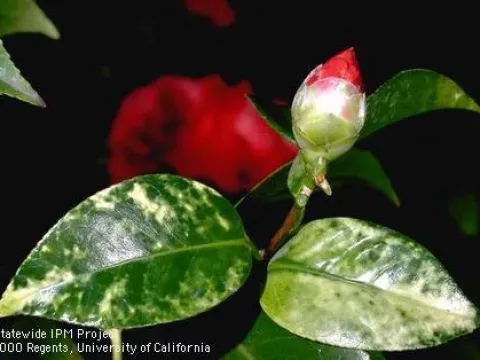
The primary symptom of a Loebvirae infection is chlorosis, which manifests as mottled yellowing of the leaves in irregular patterns across the foliage.
Plants often exhibit severe leaf deformation, including curling, twisting, or crinkling, caused by the viral interference with the plant's hormonal signaling pathways.
General stunting of the plant is commonly observed, where the host fails to reach its full size, producing shortened internodes and a weakened root architecture.
Reproductive organs, such as flowers and fruits, may show significant developmental abnormalities, leading to reduced fertility and poor quality of the final produce.
- Mottled yellowing (chlorosis) of leaves
- Deformed, curled, or crinkled leaf blades
- Stunted growth and dwarfism
- Floral abnormalities and reduced fruit set
Environmental conditions that favor the rapid spread of Loebvirae are primarily linked to the population dynamics of their insect vectors, which thrive in warm and humid climates.
Weed populations in and around cultivated fields serve as natural reservoirs for the virus, allowing it to persist between growing seasons and infect new crop cohorts.
Plant stress resulting from poor irrigation, nutrient deficiencies, or soil salinity significantly lowers the host's resistance, facilitating easier viral invasion.
High planting densities create a microclimate that supports the proliferation of vectors and allows for easy plant-to-plant transmission through direct contact.
Increased temperature levels typically accelerate the incubation period of the virus, leading to a faster progression of the disease throughout the field.
The primary harm caused by Loebvirae is the significant reduction in photosynthetic capacity, which directly translates to lower yield and diminished biomass of the crops.
Infected plants display increased susceptibility to secondary pathogenic invaders, such as fungi and bacteria, which exploit the weakened state of the host tissue.
Commercial damage includes not only quantity losses but also significant degradation in product quality, making the produce unsuitable for markets or long-term storage.
Persistent viral infection in seed stocks creates a lasting agricultural threat, potentially forcing farmers to abandon the cultivation of specific fields for several seasons.
The lack of curative chemical treatments for plant viruses makes the prevention of infection the only viable strategy to protect the economic interests of the farm.
The cornerstone of Loebvirae management is the exclusive use of certified, disease-free seed and planting materials tested by specialized laboratory facilities.
Active management of insect vectors through integrated pest management (IPM) practices, including systemic insecticides, is crucial during the early stages of plant development.
Rigorous sanitation measures, including the destruction of infected plants and surrounding weed hosts, help to contain the spread of the virus within the field.
Maintaining proper spatial isolation between susceptible crops helps prevent cross-contamination and limits the mobility of the vectors responsible for the spread.
Optimizing plant nutrition and water management strengthens the plant's ability to tolerate viral stressors, reducing the visible impact of the infection on total yield.