
Maize mosaic virus
Potyvirus zeananus
The causative agent of the disease is the Maize mosaic virus, which belongs to the genus Potyvirus. It is a significant viral pathogen that infects maize and other closely related grass species.
What the section contains
Maize mosaic virus
The virus consists of filamentous particles and is an obligate parasite, meaning it can only replicate within the living cells of a susceptible host plant. It relies entirely on the plant's metabolic machinery to multiply.
Transmission occurs primarily through insect vectors, with various aphid species serving as the main carriers. The transmission is of a non-persistent type, occurring rapidly during the feeding process.
An aphid acquires the virus during brief probing on an infected plant and transmits it to a healthy one almost immediately. The virus is retained on the aphid's stylet for a very short period, typically just a few minutes to hours.
Mechanical transmission is also possible, though less common under natural field conditions, occurring when plant tissues are damaged by machinery or through direct leaf-to-leaf contact during windy weather.
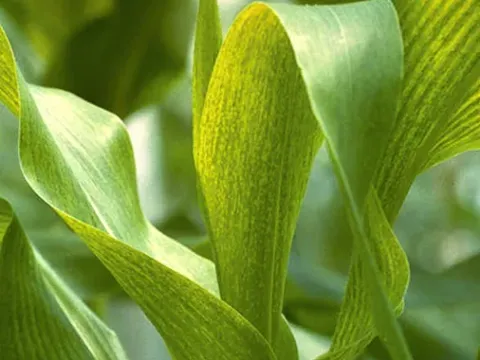
The primary symptom of infection is the development of a chlorotic mosaic pattern on young leaves, characterized by alternating patches of light green and yellow tissue.
As the disease progresses, these patches can coalesce, forming distinct stripes that run parallel to the leaf veins. This gives the foliage a striped or mottled appearance commonly associated with viral infection.
Affected plants exhibit significant stunting, with reduced height compared to healthy individuals. This reduced growth is most apparent when plants are infected early in the growing season.
Internodes become shortened, and leaves may appear narrower, tougher, and more erect than normal. This physiological stress disrupts the plant's overall development and architectural integrity.
Severe infection, particularly in early growth stages, results in poor ear development. The cobs are often small, partially filled with poorly developed kernels, leading to a significant drop in yield potential.
The spread of the virus is highly dependent on environmental conditions that favor the proliferation and migration of aphid populations. Warm and humid conditions generally promote rapid aphid development.
Weeds growing in or around the fields act as alternative hosts, maintaining the virus throughout the year. Many wild grasses serve as reservoirs that harbor the virus before maize crops emerge.
High planting density increases the probability of virus transmission between plants. Agronomic practices that encourage dense, lush growth can sometimes inadvertently create favorable conditions for aphid movement.
The migration of winged aphids during the active vegetative growth phase of maize is a critical period for viral outbreaks. High insect pressure during these weeks increases the incidence of infection.
Lack of proper spatial isolation from established perennial grasses or older corn fields significantly increases the risk of local epidemics, as the virus can easily jump between neighboring plants.
The primary damage caused by the virus is a significant reduction in photosynthetic capacity due to the degradation of chlorophyll. This leads to impaired carbon assimilation and reduced energy storage.
Yield loss is the most severe impact, stemming from decreased cob size and kernel weight. In many instances, the grain quality is also severely compromised, making it unsuitable for processing.
Infected plants display a weakened immune system, making them more susceptible to opportunistic fungal and bacterial pathogens. This increases the likelihood of secondary infections and premature plant death.
Total yield losses can be substantial, often ranging from 10% to 50% depending on the timing of the infection. Early-season infections typically result in the most significant economic damage.
Management costs, combined with the reduction in grain quantity and quality, create a notable economic burden on maize production, requiring integrated management strategies to mitigate risks.
The use of resistant or tolerant maize hybrids remains the most effective and sustainable strategy for managing the virus. Selecting suitable varieties is the foundation of successful prevention.
- Implementing strict spatial isolation from perennial grasses and old crops.
- Managing weed populations in and around fields to eliminate virus reservoirs.
- Applying insecticides to control aphid vector populations during peak migration.
- Choosing optimal planting dates to avoid high insect activity windows.
- Removing and destroying crop residues promptly after the harvest is complete.
Insecticide applications should be targeted and preventative to reduce aphid numbers before they can spread the virus significantly. Monitoring fields for the arrival of winged aphids is essential.
Maintaining healthy crop stands through proper fertilization and water management helps plants better withstand the stress caused by viral infections, potentially reducing the impact on final yields.
Regular field scouting allows for the identification of disease hotspots. By managing these areas effectively, growers can minimize the risk of the virus spreading across larger portions of their production area.