
Parsnip mosaic virus
Potyvirus pastinacae
Parsnip mosaic virus (ParMV) is a viral plant pathogen classified within the Potyvirus genus of the Potyviridae family. It primarily infects plants belonging to the Apiaceae family, including parsnips, carrots, and celery.
What the section contains
Parsnip mosaic virus
The virus is transmitted in a non-persistent manner, primarily by various species of aphids. These insects acquire the virus by feeding on infected plant sap and transmit it to healthy plants within seconds.
The pathogen can survive in overwintering roots and perennial weeds, which act as primary reservoirs for the virus, ensuring its presence in the field at the start of the season.
Mechanical transmission can also occur through agricultural practices such as thinning, weeding, or harvesting, especially if tools are not disinfected between fields or rows.
As a systemic pathogen, once the virus infects a plant, it travels through the phloem to all plant organs, making it impossible to cure an established infection.
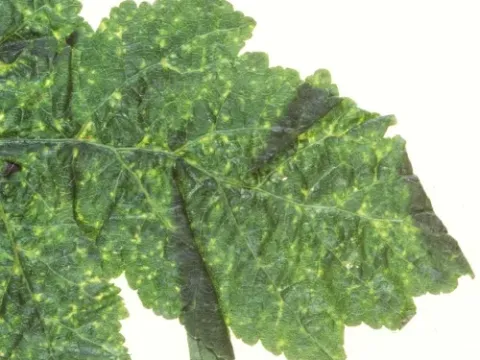
The most common symptoms include a mosaic pattern on the foliage, characterized by alternating light and dark green patches, which significantly disrupt the natural leaf color.
Infected plants typically exhibit stunted growth, appearing significantly smaller and less vigorous compared to healthy specimens in the same field.
Leaves often show signs of distortion, such as curling, crinkling, or chlorosis. This deformation reduces the leaf surface area available for photosynthesis, weakening the entire plant.
Root development is often impaired, leading to malformed, cracked, or discolored roots that are unattractive to consumers and unsuitable for long-term storage.
Under heavy infection pressure, premature senescence of the foliage can occur, leading to a substantial decrease in yield and reduced quality of the marketable product.
The primary economic impact of the virus is a significant reduction in the total weight and quality of marketable parsnip roots, leading to financial losses for farmers.
Infected crops are generally less resilient to environmental stressors like heat, drought, or nutrient deficiencies, which further compromises the overall harvest success.
The virus impacts the post-harvest shelf life of the roots; infected produce is far more prone to rotting and fungal decay while in storage or transit.
The contamination of seed-producing crops is a major threat, as it can lead to the transmission of the virus to new agricultural plots via infected planting material.
Since there are no curative treatments for viral diseases in plants, the damage is typically irreversible, emphasizing the importance of preventative measures.
The most effective strategy is the rigorous management of weeds, especially wild Apiaceae species, which serve as alternate hosts for the virus and the aphid vectors.
Implementing a strict aphid control program using authorized insecticides is crucial during the early stages of crop development to prevent primary and secondary infections.
Maintaining adequate spatial separation between parsnip fields and other susceptible Apiaceae crops helps to lower the pressure of aphid-borne viral transmission.
Growers should prioritize the use of high-quality, certified, and disease-free planting material, and whenever possible, select varieties with documented resistance to Potyviruses.
- Rogue out and destroy symptomatic plants as soon as they are identified.
- Practice crop rotation to minimize the accumulation of viral reservoirs.
- Sanitize all tools regularly to prevent mechanical transmission of the pathogen.