
Zucchini yellow mosaic virus
Potyvirus cucurbitae
The causative agent of the disease is the Zucchini yellow mosaic virus (ZYMV). It is a dangerous virus belonging to the Potyvirus genus, known for its high level of variability and infectivity.
What the section contains
Zucchini yellow mosaic virus
The virus primarily affects cucurbit crops, including zucchini, squash, pumpkins, melons, watermelons, and cucumbers. It spreads rapidly in agricultural ecosystems, causing significant damage to both yield quality and quantity.
The main method of transmission in field conditions is non-persistent transmission by insect vectors, primarily various species of aphids. The virus can also be spread mechanically during routine plant care.
The environment and weeds act as reservoirs of infection during the off-season. The virus persists in perennial wild cucurbits and other weeds, from which it is transmitted to cultivated plants.
Infected planting material, particularly contaminated seeds, plays a lesser role in primary infection, but this factor should not be ignored when propagating crops.
Initial symptoms of infection usually appear on young leaves, which begin to yellow and deform. A characteristic feature is the appearance of a pronounced mosaic pattern consisting of spots of different colors.
In later stages, severe deformation of the leaf blade occurs, leading to so-called curling or shoestring symptoms. Leaves become stunted, and internodes shorten, giving the plant a dwarfed appearance.
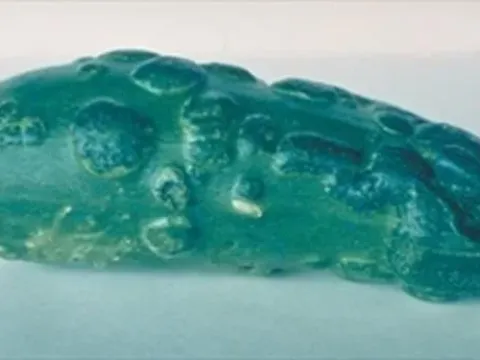
Fruits also undergo serious changes: they become deformed, bumpy, and lose their commercial appeal. Frequently, spots, stripes, or necrotic lesions appear on the fruit skin.
Flowering rates decrease, and formed fruits often drop off in the early stages of development. The plant stops growing, leading to a partial or total loss of the ability to produce fruit.
In some cucurbit species, signs may range from mild mottling to complete yellowing (chlorosis) of the entire plant, which is often misidentified as nutrient deficiency.
The rapid spread of the virus is favored by warm and dry weather, which promotes high populations and migration of aphids. During hot summer periods, insects more actively fly from infected weeds to garden crops.
Fields with poor agricultural practices, where weeds are not controlled, serve as hubs for infection accumulation. Weeds growing along field margins act as bridges for virus transmission.
Crowded plantings create a microclimate that can facilitate more intense aphid population development, which directly correlates with the increase in the number of infected plants.
Damaging leaves during agricultural activities, such as pruning or harvesting without tool disinfection, creates conditions for mechanical transmission of the pathogen.
Lack of crop rotation and growing cucurbits in the same location for many years increases the risk of virus accumulation in the soil and plant debris.
The primary damage from the virus is a sharp decline in the marketability of the harvest. Deformed and spotted fruits do not meet market standards and are unsuitable for sale.
Virus-infected plants lag significantly in growth, leading to a decrease in the total yield per unit area. In cases of early infection, the plant may die or fail to fruit entirely.
Zucchini yellow mosaic virus is considered one of the most destructive pathogens for cucurbit farming in southern regions. Economic losses can reach 50–90% during massive infection outbreaks.
Weakened plants become more susceptible to other secondary infections and fungal diseases, further deteriorating the overall phytosanitary status of the plot.
Due to the viral nature of the disease, control is impossible after symptoms appear, making any direct curative treatments ineffective.
The primary defense strategy is based on prevention: destroying reservoir weeds (especially wild cucurbits) around fields and garden plots before planting the main crop.
Aphid population control is a key stage of protection. Timely insecticide treatments must be performed to prevent insect vectors from appearing on young seedlings.
Using healthy, certified seed material and planting mosaic-resistant hybrids is the most reliable way to prevent losses.
Maintaining spatial isolation between new plantings and old infection sites helps reduce the risk of infection being carried by wind or insects.
It is important to regularly disinfect gardening tools and hands when working with plants and to immediately remove and dispose of (burn) severely infected specimens from the plot.