
Nucleopolyhedrosis
Nucleopolyhedrovirus
Nucleopolyhedrosis is not a plant disease but a specific viral infection that affects insects, primarily larvae of the order Lepidoptera. The causative agents are viruses belonging to the family Baculoviridae, which are highly specialized entomopathogens.
What the section contains
Nucleopolyhedrosis
The virus particles are encapsulated within protective protein crystals called polyhedra. These structures are essential for the survival of the virus in the environment, protecting the genetic material from degradation until it is consumed by a host.
Upon ingestion by a larva, the alkaline environment of the insect's midgut dissolves the polyhedral protein matrix. This releases the infectious virions, which then penetrate the cells of the midgut epithelium.
Once inside the host cells, the virus hijacks the cellular machinery to replicate itself. This process consumes the insect's resources, eventually leading to the widespread destruction of internal tissues and the death of the host.
The high specificity of these viruses is a key feature, as they target only particular insect species. This makes them an extremely valuable tool in integrated pest management (IPM) systems, as they do not harm beneficial pollinators or predators.
Early symptoms of nucleopolyhedrosis in larvae include a noticeable decrease in movement and a loss of appetite. The larvae become lethargic and often migrate towards the tops of the plants.
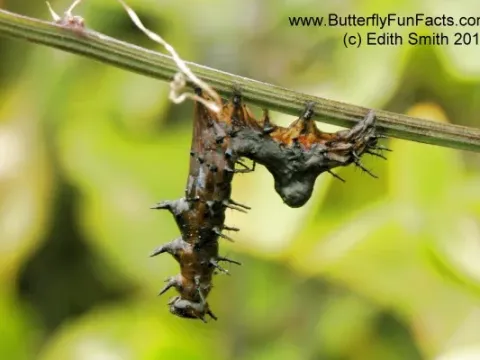
As the infection progresses, the insect's body color may change, often appearing paler or darker due to the internal breakdown of tissues. The skin becomes thin and fragile, as the body is essentially filled with a viral slurry.
A diagnostic sign is the liquefaction of the internal organs. If the insect is touched or handled, the cuticle may rupture, releasing a milky or brownish fluid containing millions of new viral polyhedra.
Dead larvae are frequently found hanging from plant foliage, often by their prolegs. This behavior is a common outcome of the viral infection, allowing the virus to be dispersed onto the leaves below via gravity and rain.
Microscopic examination of the tissue remains confirms the presence of characteristic polyhedral inclusion bodies within the cell nuclei, providing a definitive diagnosis of the infection.
The spread and development of a nucleopolyhedrosis epizootic are highly dependent on the population density of the host. High concentrations of larvae facilitate the horizontal transmission of the virus through the food chain.
Environmental conditions such as high humidity and moderate temperatures are ideal for the survival and transmission of the virus. Moist surfaces on leaves help maintain the infectiousness of polyhedra for longer periods.
Ultraviolet (UV) radiation is the primary factor limiting the lifespan of the virus on plant surfaces. Exposure to direct sunlight degrades the polyhedra, significantly reducing the viability of the virus in exposed locations.
The incubation period of the virus is temperature-dependent. Warmer weather typically accelerates the replication of the virus within the host, leading to a faster transition from infection to mortality.
Agricultural practices that create a dense canopy can protect the virus from UV damage, creating a favorable microclimate that supports the development of natural viral outbreaks.
For agriculture, nucleopolyhedrosis is considered a beneficial biological agent. It acts as a powerful, self-sustaining mechanism that suppresses populations of major lepidopteran pests, such as armyworms and loopers.
The use of nucleopolyhedrosis-based products offers significant ecological benefits, as these are non-toxic to humans, wildlife, and beneficial insects. This supports the production of residue-free crops.
Since the virus is highly specific, it preserves the ecological balance by not harming predatory insects, spiders, or parasitic wasps that also contribute to natural pest control.
Insect pests do not typically develop resistance to these viruses, unlike their interaction with synthetic chemical insecticides. This provides a long-term, sustainable solution for managing recurring pest problems.
In modern farming, fostering conditions where nucleopolyhedrosis can thrive is a strategic goal, as it minimizes the reliance on chemical inputs and lowers overall pest management costs.
The primary control method involves the application of biological insecticides formulated with specific nucleopolyhedroviruses. These treatments are most effective when applied against early-instar larvae, which are highly susceptible.
For optimal results, applications should be timed during the evening or under overcast conditions to minimize exposure to UV light, which can deactivate the virus before it is ingested by the pests.
Using appropriate adjuvants or stickers is critical to ensure that the viral particles remain on the foliage long enough for the target insects to consume them during feeding.
Field scouting for symptomatic larvae is essential for timely decision-making. The discovery of infected individuals often indicates the beginning of a natural viral cycle, allowing for targeted supplemental treatments if necessary.
Integrated pest management strategies emphasize maintaining an environment that allows these viruses to persist naturally, ensuring that pests remain below the economic threshold without the need for constant chemical interventions.