
Nerine mosaic virus
Potyvirus nerinis
Description
Symptoms
Symptoms often include distinct mosaic patterns, light green or yellowish streaks, and irregular blotches on the foliage of infected plants.
Stunting of growth and leaves deformation are common, as the virus interferes with the plant’s normal physiological development.
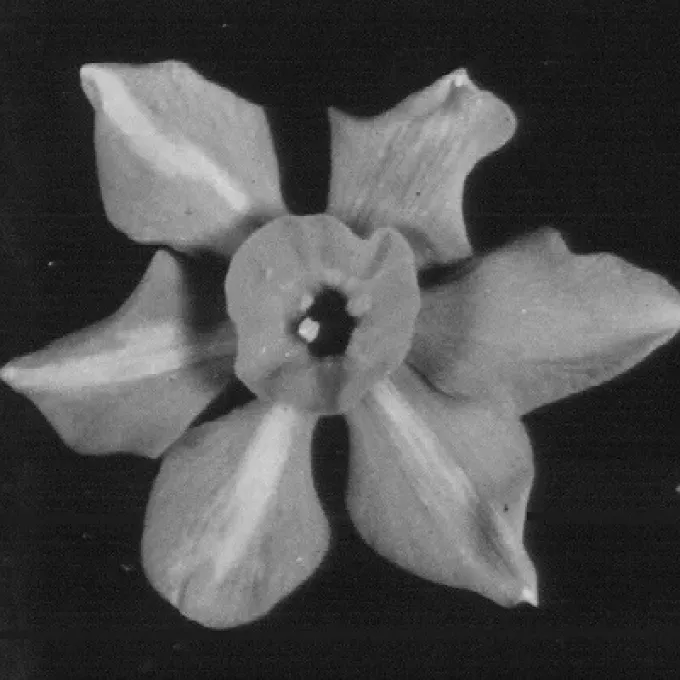
Flower color breaking, where petals show irregular streaks or lighter patches of color, is a diagnostic sign of viral presence in many bulbous species.
In advanced stages of infection, plants may exhibit chlorosis and premature leaf senescence, leading to a significant reduction in overall plant vigor.
Visual symptoms can vary depending on the plant variety and environmental conditions, often appearing more pronounced during peak growing seasons.
Pathogen
Nerine mosaic virus is a plant pathogen belonging to the genus Potyvirus, which primarily infects species within the Amaryllidaceae family.
The virus is characterized by its flexuous, filamentous particles, which are typical for the Potyviridae family of plant viruses.
It is transmitted through vegetative propagation of infected bulbs and by various aphid species that act as mechanical vectors in the field.
The pathogen can persist in latent stages within plant tissues for extended periods, making it difficult to detect without specialized laboratory testing.
Genetic studies confirm that this virus significantly alters the host's regulatory pathways, leading to the systemic spread of the infection throughout the entire plant.
Conditions for development
The development and transmission of the virus are strongly influenced by the presence of aphid vectors, which thrive in mild and humid climates.
High plant density increases the efficiency of virus transmission, as vectors can easily move from one host to another in a crowded garden bed.
Mechanical transmission through gardening activities, such as dividing bulbs or cutting stems with contaminated tools, is a common driver of outbreaks.
Environmental stress, such as improper watering or poor soil conditions, can exacerbate the impact of the virus on the plant's weakened immune system.
Introducing non-indexed, infected planting material into a garden is the primary cause of sudden disease appearance in previously healthy environments.
Why it matters
The virus causes irreversible damage to plant health, leading to the gradual decline and eventual death of the affected bulbous plants.
In nurseries and commercial settings, this infection can lead to substantial financial losses due to the destruction of contaminated stock.
Plants weakened by the mosaic virus are highly susceptible to secondary infections, including fungal root rots and bacterial soft rots in bulbs.
There is currently no cure for viral diseases in plants, meaning that once an individual plant is infected, it remains a permanent reservoir for the virus.
The spread of the disease can threaten entire collections, especially when rare or sensitive cultivars are housed in proximity to infected specimens.
Protection
Strict sanitation practices, including the regular disinfection of all pruning tools, are essential to prevent mechanical transmission of the pathogen.
Effective aphid control programs using suitable insecticides are crucial to reducing the number of vectors that can spread the virus in the field.
Early identification and rogueing of symptomatic plants are mandatory to limit the viral load in a garden or nursery setting.
Always source bulbs from reputable suppliers who practice virus-indexing and provide certified disease-free planting material.
Implementing a buffer zone or proper spacing between plants helps decrease the probability of rapid disease transmission by visiting insect vectors.
Discussion
No discussions yet — be the first.