
Mandarivirus
Mandarivirus
The disease is caused by a virus belonging to the Mandarivirus genus. It is a specific phytopathogen that primarily infects citrus crops, causing systemic infection within the plant tissues.
What the section contains
Mandarivirus
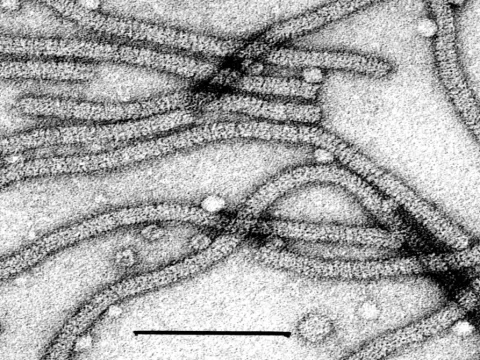
The virus consists of filamentous particles containing single-stranded RNA. It is classified as a pathogen capable of disrupting metabolic processes in the host's cells.
The mechanism of viral transmission is most often linked to mechanical tissue damage, grafting procedures, or the use of contaminated tools during pruning.
The biology of the virus has been studied in the context of its interaction with the citrus immune system. It actively suppresses the plant's defense responses, facilitating tissue colonization.
The spread of the virus in orchards requires strict adherence to phytosanitary standards to prevent large-scale infection of plantings.
The main signs of infection include chlorotic spots on leaf blades, which often develop into a mosaic pattern. The leaf surface may become deformed.
There is a noticeable lag in plant growth and overall development. Shoots become thin, and internodes are shortened, giving the plant a stunted appearance.
As the disease progresses, necrotic areas may appear on leaves and branches. This leads to premature leaf drop and loss of vegetative mass.
During the fruiting period, the virus negatively impacts crop quality. Fruits can become small, misshapen, and lose their typical organoleptic properties.
External symptoms can be latent during the primary infection phase, so laboratory PCR testing is often required for accurate diagnosis.
The development of the virus is favored by high air temperatures combined with excessive humidity, which is typical for subtropical citrus-growing regions.
Mechanical damage to plants plays a major role in the spread. Active pruning without tool disinfection creates direct entry points for the infection.
The virus is easily transmitted during grafting work if scions or rootstocks are sourced from an infected mother tree.
The speed of disease spread within the orchard depends on planting density and the intensity of care. Dense canopies contribute to a microclimate favorable to pathogens.
Lack of quarantine control when importing new seedlings is a primary factor in the introduction of the virus to new areas or healthy farms.
The harmfulness of Mandarivirus lies in the sharp decline of the crop's market value. Fruits lose weight and visual appeal, making them unsuitable for the market.
Prolonged infection leads to the depletion of the plant's metabolic resources. This reduces the cold hardiness of citrus trees and their resistance to other environmental stressors.
In neglected cases, infected trees cease fruiting and die prematurely, causing direct economic damage to agricultural enterprises.
The virus disrupts photosynthesis due to altered leaf pigmentation, blocking sugar accumulation in the fruit tissues.
Infected trees become a constant source of infection for neighboring healthy trees, creating focal points of disease throughout the orchard.
The primary control method is the exclusive use of virus-free planting material that has been certified in specialized laboratories.
Strict adherence to garden tool disinfection rules is necessary. After working with each plant, tools must undergo thermal or chemical treatment.
An effective measure involves the removal and destruction (burning) of heavily infected trees to prevent the spread of infection to healthy specimens.
- Regular phytosanitary inspections of the orchard.
- Control of pest vectors if they are detected.
- Compliance with quarantine rules when moving seedlings.
At present, there are no specific chemical agents for the direct cure of viral infections, so the focus is entirely on prevention and proper agrotechnology.