
Martellivirales
Martellivirales
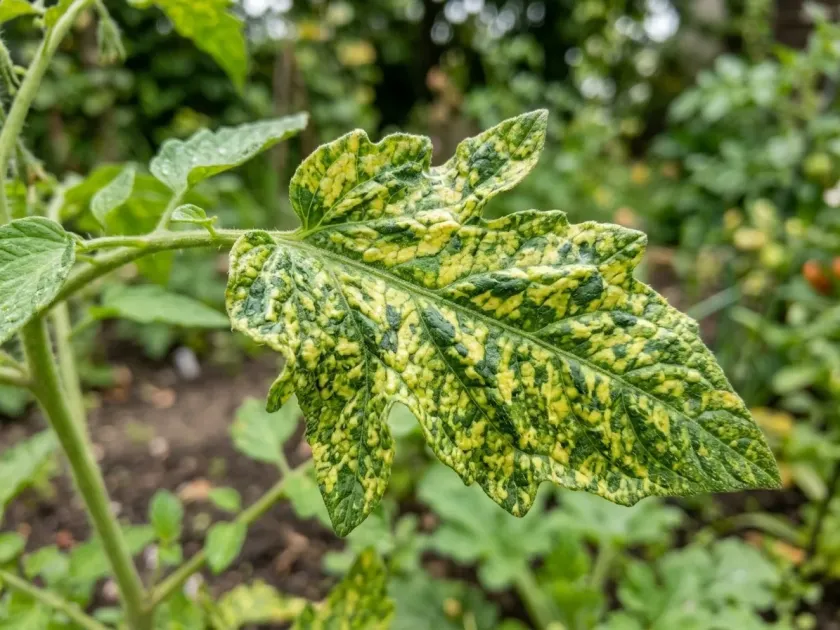
Description
Symptoms
Symptoms of Martellivirales infection typically include chlorotic spots, mosaic patterns on leaves, and noticeable deformation of the foliage or growing points.
Infected plants often exhibit stunted growth, characterized by shortened internodes and a overall reduction in plant height compared to healthy specimens.
In many crops, viral infection causes localized necrosis, ring spots on leaves or fruits, and abnormal coloration of flowers, which significantly reduces the market value of the crop.
Systemic symptoms often progress rapidly, leading to the yellowing of veins (yellows) and the curling or rolling of leaves, which inhibits efficient photosynthesis.
- Mosaic-like yellow or light-green spotting on leaves.
- Distorted or crinkled leaf margins.
- Reduced size and abnormal shape of fruits.
- Significant decrease in fruit quality and taste.
Pathogen
Martellivirales constitute a large order of viruses characterized by a positive-sense single-stranded RNA genome. These agents act as primary pathogens, causing significant viral diseases in a wide range of agricultural crops worldwide.
The order encompasses various genera, such as Tobamovirus and Potexvirus, which are known for their high stability in the environment and their ability to persist in soil, plant debris, and infected seeds.
Biologically, these viruses rely on the host plant's metabolic machinery to replicate their RNA and produce the structural proteins necessary to form new infectious particles.
Once inside a plant cell, the virus triggers a systemic infection that spreads through the vascular system, eventually affecting the overall vigor and physiological development of the host.
Understanding the molecular biology of Martellivirales is crucial for developing diagnostic tests and implementing effective containment strategies in modern agriculture.
Conditions for development
Transmission of Martellivirales occurs primarily through mechanical means, such as the handling of plants by workers, the use of contaminated pruning tools, or simple physical contact between healthy and infected plants.
Insects, including aphids, whiteflies, and thrips, serve as critical vectors, transmitting the virus from plant to plant while feeding on the phloem or sap.
Environmental conditions that favor high population densities of insect vectors significantly increase the risk of rapid virus spread throughout a field or greenhouse.
In protected cultivation environments, the confined space and intensive management practices facilitate the rapid movement of the virus, making strict sanitation protocols mandatory.
The presence of perennial weeds in and around the production site can act as an overwintering reservoir for the virus, ensuring a fresh source of inoculum each season.
Why it matters
The economic impact of Martellivirales is severe, often resulting in massive yield losses due to the plant's inability to develop properly and produce marketable fruits.
Infected crops are generally weaker and more susceptible to secondary infections by bacteria and fungi, which can exacerbate the damage caused by the virus itself.
Long-term infestation within a farm can lead to the degradation of germplasm and the necessity to destroy entire batches of infected seed or nursery stock.
The quality of harvested produce is often compromised, leading to issues with storage stability, transport, and suitability for food processing applications.
Ultimately, the costs associated with monitoring, containment, and total crop removal can impose a significant financial burden on farmers and agricultural enterprises.
Protection
Since there are no chemical treatments available to cure plants once they are infected with a virus, the management of Martellivirales focuses exclusively on prevention.
The primary control measure is the use of high-quality, certified virus-free seeds and planting material, which should undergo rigorous testing before being introduced into the farm.
Strict hygiene practices are essential, including the disinfection of tools, gloves, and containers between every contact with individual plants to prevent cross-contamination.
Integrated Pest Management (IPM) strategies must be employed to control insect vectors, effectively reducing the transmission rates of the virus during the growing season.
Good agricultural practices, such as removing infected weeds, maintaining spatial isolation between crops, and destroying symptomatic plants, are vital for breaking the infection cycle.
Discussion
No discussions yet — be the first.