
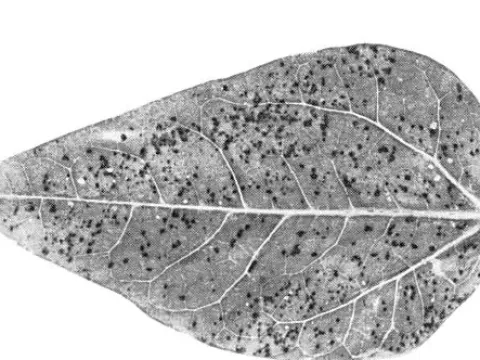
American pepper leaf spot virus
Ilarvirus aplpv
The causal agent is the American pepper leaf spot virus, a member of the Ilarvirus genus, known for its ability to cause severe systemic infections in solanaceous crops.
What the section contains
American pepper leaf spot virus
The virus consists of a tripartite positive-sense single-stranded RNA genome, which facilitates rapid replication and adaptation to host plant defense mechanisms.
It is a systemic pathogen, meaning that once it enters the host, it translocates through the vascular tissue to affect all parts of the plant, including the roots and fruits.
The virus can persist in plant debris and seeds, making it a persistent threat that can carry over from one growing season to the next if sanitary measures are ignored.
Transmission occurs primarily through mechanical means, contaminated tools, or insect vectors, particularly aphids and thrips that feed on the sap of infected plants.
Typical symptoms include the appearance of chlorotic spots or necrotic lesions on the leaves, which often expand and coalesce as the infection progresses.
Affected plants exhibit leaf curling, yellowing, and severe deformation of the apical meristem, which significantly hampers the normal growth of the plant.
A reduction in leaf size and plant height is commonly observed, as the systemic infection diverts metabolic resources from vegetative growth to viral replication.
Flower abortion and fruit distortion are frequent occurrences, leading to substantial yield losses and poor quality of the remaining fruit produced by the plant.
In advanced stages, longitudinal streaking or necrotic tissue may develop on the stems, indicating structural damage to the plant's vascular system.
- Chlorotic and necrotic leaf spotting
- Apical leaf curling and distortion
- Stunted plant growth
- Premature blossom and fruit drop
- Vascular streaking on stems
The virus thrives under conditions of high humidity and mild temperatures, which also happen to be optimal for the proliferation of common insect vectors.
In greenhouses, poor ventilation and high planting densities create ideal microclimates for the rapid spread of the virus through physical plant-to-plant contact.
The presence of wild host plants or weeds around the cultivation area provides a natural reservoir for the virus, ensuring a consistent infection pressure.
Environmental stress, such as improper irrigation or heat stress, lowers the plant's innate immunity and makes it more susceptible to viral infections.
The lack of strict hygiene protocols, such as cleaning pruning tools between rows, allows the virus to be transmitted rapidly across the entire field.
The American pepper leaf spot virus causes significant economic losses by severely reducing both the quantity and the market quality of the harvest.
Plants infected at an early growth stage rarely reach maturity or produce a marketable yield, requiring complete removal and destruction of the infected crops.
The quality of fruits is compromised, as they often become discolored, malformed, or susceptible to secondary rot during the post-harvest storage period.
The build-up of the virus in the soil environment makes future cultivation of related crops risky and necessitates long fallow periods or rigorous sterilization.
In addition to production losses, the cost of managing outbreaks—including insecticide programs and the removal of infected material—adds a heavy financial burden.
The primary strategy for management is the use of high-quality, virus-free seeds sourced from reputable suppliers to ensure the start of the crop is clean.
Rigorous control of insect vectors like aphids and thrips, using integrated pest management (IPM) practices, is essential to block the pathways of viral spread.
Strict sanitation measures, including the disinfection of tools with bleach or alcohol after each use, are critical to prevent mechanical transmission of the virus.
Immediate roguing (removal and destruction) of symptomatic plants is necessary to reduce the inoculum load and prevent further spread within the field.
Rotating crops with non-solanaceous species helps to break the disease cycle and reduces the concentration of the virus in the field soil over time.