
Honeysuckle latent virus
Honeysuckle latent
Honeysuckle latent virus (HLV) is a plant virus belonging to the genus Carlavirus. It is characterized by its asymptomatic nature, which often allows the pathogen to remain undetected in host plants.
What the section contains
Honeysuckle latent virus
The virus consists of filamentous particles that infect plant cells, utilizing the host's machinery for replication, which places a metabolic burden on the affected plant.
Infected honeysuckle plants serve as the primary reservoir for the virus, maintaining it within their tissues for years without showing obvious signs of decline.
The pathogen is transmitted mainly through vegetative propagation, as clones taken from an infected mother plant inevitably carry the viral infection.
The biological stability of HLV allows it to survive in plant tissues across different seasons, making it a persistent problem in infected nursery stocks.
The hallmark of this infection is its latency, meaning that most infected plants show no visible signs of stress or damage during normal growth conditions.
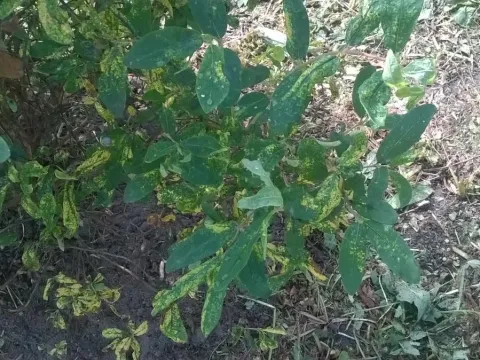
In cases of severe infection, growers might observe mild chlorosis or faint mosaic patterns on younger leaves, which are frequently misidentified as nutrient deficiencies.
Infected shrubs may exhibit slightly reduced vigor, with smaller leaf sizes and slower shoot elongation compared to healthy, certified nursery stock.
Visible symptoms are rarely diagnostic; therefore, the absence of obvious necrosis or deformity does not guarantee that a plant is free of the virus.
Definitive identification of the virus requires advanced laboratory diagnostic techniques, such as ELISA (Enzyme-Linked Immunosorbent Assay) or RT-PCR tests.
Mechanical transmission occurs primarily through the use of contaminated pruning tools, where sap from an infected plant is transferred to healthy specimens.
Aphids are known vectors for many carlaviruses and play a critical role in spreading HLV by moving the virus between shrubs while feeding on phloem sap.
Crowded nursery conditions create a favorable environment for rapid spread, as high plant density facilitates easy movement of vectors and increases the chance of transmission.
Poor sanitation practices during cultivation, such as reusing unsterilized equipment, significantly increase the rate of viral spread within a garden or plantation.
Environmental factors that trigger massive aphid populations directly influence the incidence of Honeysuckle latent virus, leading to potential outbreaks.
While often subtle, the harm caused by HLV manifests as a gradual decrease in plant productivity, affecting both the yield and quality of the berries produced.
The virus diverts nutrients from the plant’s normal development, potentially reducing the shrub's ability to tolerate abiotic stresses like drought or extreme temperatures.
Chronic infection weakens the plant's overall vitality, making it more susceptible to secondary infections by opportunistic fungal or bacterial pathogens.
In commercial operations, the presence of this virus leads to economic losses due to the inability to certify plants for propagation and nursery sales.
The long-term impact involves a reduced lifespan of the plantation, which may force growers to replace entire blocks of shrubs earlier than anticipated.
The most effective strategy is the exclusive use of certified, virus-tested planting material sourced from reputable nurseries that utilize meristem culture.
Aggressive management of aphid populations through integrated pest management (IPM) practices is essential to minimize the risk of viral transmission in the field.
Strict disinfection protocols for all pruning equipment, using alcohol or bleach solutions between each shrub, are necessary to prevent mechanical spread.
Regular monitoring and prompt removal of any plants showing suspected symptoms of decline can help reduce the local infection pressure within the planting area.
Maintaining optimal growing conditions, including proper fertilization and irrigation, helps strengthen plants, potentially mitigating the impact of any viral infection.