
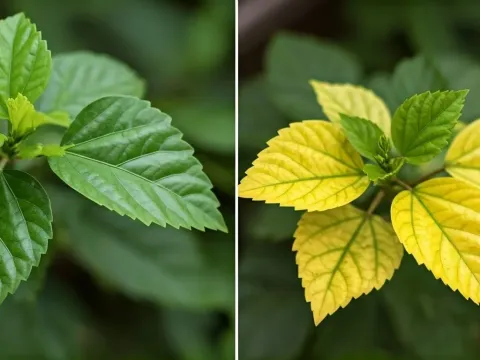
Hibiscus yellow
Hibiscus yellow
Hibiscus yellow is caused by a viral infection, often linked to the Hibiscus yellow mosaic virus or similar viral complexes that invade the plant's vascular system.
What the section contains
Hibiscus yellow
The virus is primarily transmitted by insect vectors, such as whiteflies or aphids, which ingest the virus while feeding on infected sap and transmit it to healthy plants.
Mechanical transmission is also a significant concern, as the virus can be spread through contaminated gardening tools during pruning or propagation if not properly sterilized.
The infection is systemic, meaning the viral particles spread throughout the entire plant, affecting roots, stems, and leaves simultaneously.
As the virus integrates into the plant's cellular metabolism, there is no known cure, making prevention the only reliable way to manage this condition.
The primary symptom is distinct chlorosis, where leaves develop yellowing patterns that often resemble a mosaic or mottled effect.
In many cases, the veins of the leaves remain green while the tissues between them lose their color, creating a striking contrast.
Infected plants show clear signs of stunted growth and general decline, appearing less vigorous than healthy specimens.
Flowering is significantly reduced or inhibited, with buds often deforming or dropping before they have a chance to bloom fully.
Advanced stages of the disease lead to premature leaf drop, resulting in bare branches and a severely weakened overall health status for the hibiscus.
High temperatures and high humidity levels create the most favorable environment for the proliferation of insect vectors, thereby increasing disease spread.
Overcrowded planting environments facilitate the rapid transition of vectors from infected to healthy plants, escalating the risk of an outbreak.
Poor agricultural practices, such as nutrient deficiencies or inadequate light exposure, weaken the plant's immunity and make it more susceptible to viral attacks.
Nearby weeds can act as reservoirs for the virus, allowing it to persist in the garden environment throughout the growing season.
The peak activity of insect populations during the spring and summer months poses the highest threat to the health of hibiscus collections.
This disease causes significant economic loss in the ornamental plant industry, as affected plants lose their aesthetic value and must be discarded.
The systemic nature of the virus exhausts the plant's energy reserves, frequently leading to poor winter hardiness and eventually plant death.
Hibiscus yellow prevents the safe propagation of cuttings, as any vegetative material taken from an infected plant will carry the virus.
A single infected plant serves as a continuous source of infection for the entire garden, necessitating strict isolation or removal.
Since chemical treatments for viral diseases are largely ineffective, the damage caused by hibiscus yellow is often irreversible for individual plants.
The most critical control measure is the early identification and immediate removal of infected plants to prevent the spread to healthy neighboring specimens.
Rigorous pest control programs targeting vectors like whiteflies and aphids using appropriate insecticides are essential for maintaining plant health.
It is vital to source plant material exclusively from reputable nurseries that implement strict disease screening protocols.
- Disinfect all pruning and cutting tools with a strong antiseptic solution between each plant.
- Maintain a weed-free garden to eliminate potential viral reservoirs and insect breeding grounds.
- Ensure a balanced fertilization program to help the plants maintain robust health and natural resilience.
Providing optimal growing conditions, including proper ventilation and controlled watering, helps decrease insect pressure and lowers the overall risk of infection.