
Heterobasidion partitivirus
Alphapartitivirus uniheterobasidion
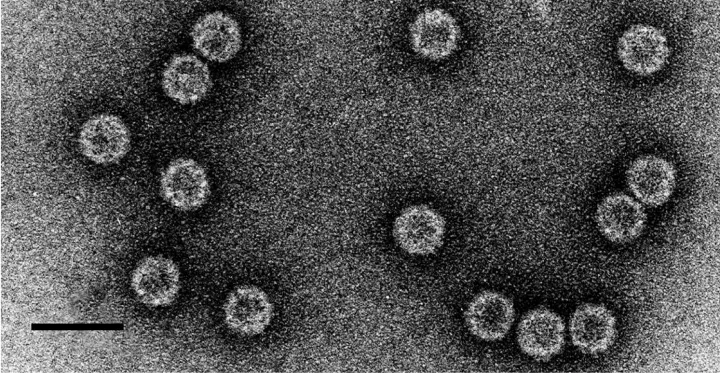
Description
Pathogen
The causative agent is Alphapartitivirus uniheterobasidion, a double-stranded RNA virus belonging to the Partitiviridae family, which naturally infects the fungus Heterobasidion annosum.
This virus is a mycovirus, meaning it thrives specifically within the mycelium of the fungus responsible for root rot in coniferous trees.
The virus particles occupy the fungal cytoplasm, utilizing the host's cellular machinery to replicate without killing the host cell immediately.
The transmission of this virus occurs primarily through hyphal anastomosis, where the virus migrates from an infected fungal colony to a healthy one during contact.
Unlike viruses affecting plants, this agent acts as an internal regulator of the fungal life cycle rather than an external environmental pathogen.
Conditions for development
The development of the virus is inextricably linked to the physiological status of its host, the Heterobasidion fungus.
Optimal environmental temperatures between 15°C and 25°C promote active mycelial growth, which facilitates rapid viral replication and movement through the hyphal network.
The spread of the virus requires physical connection between compatible fungal strains, making density and connectivity of mycelial mats critical factors.
Conditions that favor the survival of the fungus in soil and wood debris directly support the persistence of the viral population.
Viral transmission is highly localized, restricted to areas where active mycelial fusion occurs within the root systems of trees.
Why it matters
The primary effect of Alphapartitivirus uniheterobasidion infection is hypovirulence, which significantly reduces the pathogen's ability to infect host plants.
Infected fungal colonies show reduced growth rates and impaired wood-decaying capabilities, thus limiting the spread of root rot damage.
By suppressing the vigor of Heterobasidion annosum, the virus indirectly contributes to the protection of forest health and tree stability.
The damage caused by the fungus to the trees is attenuated because the virus places a metabolic burden on the pathogen, slowing its colonization of woody tissue.
While the virus does not eradicate the fungus, it acts as a persistent natural antagonist that keeps fungal virulence in check.
Protection
The utilization of mycoviruses is a promising strategy for the biological control of root rot pathogens in modern forest management.
Introducing virus-infected fungal strains into disease-free areas is being researched as a way to "immunize" the ecosystem against aggressive root rot.
Preventive strategies involve maintaining natural fungal diversity, which encourages the natural transmission of the virus within fungal populations.
Compared to chemical treatments, the biological use of this virus offers a targeted approach that does not harm surrounding plants or fauna.
Future development of this biocontrol method involves isolating highly virulent viral strains to maximize the suppression of root rot expansion.
Discussion
No discussions yet — be the first.