
Hibiscus ringspot virus
Nepovirus hibisci
Description
Symptoms
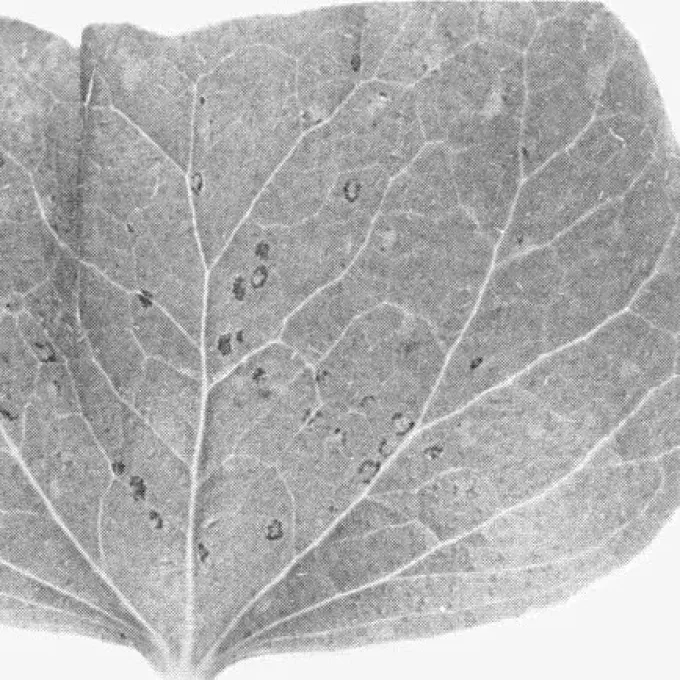
Symptoms often manifest as distinct chlorotic rings or spots on the leaves. In some instances, the virus causes a general mosaic pattern or yellow mottling across the foliage.
Affected plants usually exhibit stunted growth, with shorter internodes and smaller leaf sizes compared to healthy plants of the same cultivar.
The intensity of visual symptoms can fluctuate depending on environmental conditions; high temperatures or seasonal transitions may mask or exacerbate these manifestations.
Floral development is frequently impacted. Flowers may appear distorted, show irregular color breaks or stripes on the petals, or bud drop may occur prematurely.
Given that symptoms can mimic nutrient deficiencies or other stressors, molecular diagnostic techniques are often required for a definitive identification of the virus.
Pathogen
The causal agent of this disease is the Hibiscus ringspot virus, classified within the Nepovirus genus. This virus specifically targets members of the Hibiscus family.
Like other nepoviruses, it is a stable pathogen that systemically infects the host plant, moving through the vascular system to colonize all parts of the organism.
Transmission mainly occurs mechanically, often facilitated by contaminated gardening tools such as pruning shears or knives used during propagation and grooming.
Vector-mediated transmission is a key concern for this virus, as certain soil-inhabiting nematodes may potentially spread the pathogen between closely planted specimens.
While seed transmission is debated for some nepoviruses, it is considered a potential pathway for spread, emphasizing the need for high-quality, certified seeds in nursery production.
Why it matters
The primary harm is the permanent systemic nature of the infection, which renders the plant incapable of reaching its full ornamental potential.
The virus consumes plant resources and inhibits the efficiency of photosynthesis, leading to an overall decline in vigor and a reduced lifespan for the infected hibiscus.
In commercial nurseries, the presence of this virus can lead to the quarantine and destruction of entire batches, causing significant financial losses to producers.
An infected plant serves as a continuous reservoir for the virus, posing a constant risk to neighboring susceptible plants in the landscape or greenhouse.
Increased susceptibility to secondary pathogens is common, as the plant's immune system is significantly weakened by the chronic viral stress.
Protection
There are no chemical treatments available to cure a plant once it has been infected with a virus. Consequently, removal and destruction of the host plant is the only effective solution.
Strict sanitation protocols must be enforced. Tools must be thoroughly disinfected with appropriate antimicrobial solutions after contact with any suspect material.
Emphasis should be placed on sourcing disease-free stock from reputable breeders who engage in virus indexing and regular health checks for their plants.
Managing potential insect or nematode vectors is a prudent preventative strategy to limit the spread of the virus within a concentrated horticultural environment.
- Complete removal and destruction of symptomatic plants.
- Routine disinfection of all gardening and pruning tools.
- Quarantine protocols for all new plant introductions.
- Careful monitoring of the garden for early signs of leaf spots.
- Avoidance of propagating from plants with unknown health history.
Discussion
No discussions yet — be the first.