
Cossaviricota
Cossaviricota
Cossaviricota is a major taxonomic phylum of viruses characterized by single-stranded RNA genomes. In agronomy, this group is of significant concern as it encompasses various families of viruses that act as obligate intracellular parasites, targeting a wide array of crops.
What the section contains
Cossaviricota
These pathogens lack cellular structures and rely entirely on the host plant's machinery for replication. Once inside the plant cell, the virus hijacks metabolic pathways to produce viral proteins and genetic material, leading to systemic infection.
Transmission of these viruses often relies on vectors such as aphids, leafhoppers, or whiteflies, which acquire the virus while feeding on infected tissues and spread it to healthy plants. This vector-based movement is the primary cause of rapid outbreaks in fields.
The viruses move systemically through the phloem and xylem, effectively colonizing all parts of the plant. Once established within the host's vascular system, the infection becomes irreversible, making localized treatment impossible.
Ongoing molecular research continues to update the classification within this phylum. Agronomists view these viruses as major drivers of crop failure, necessitating constant monitoring and robust prophylactic measures in farming systems.
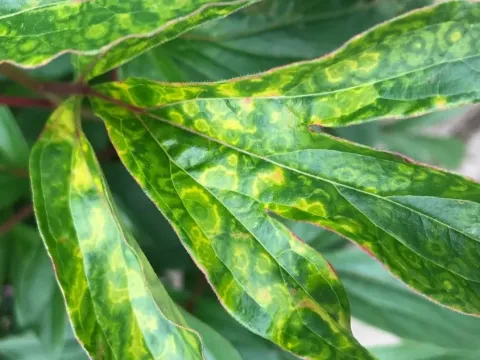
The hallmark symptoms of Cossaviricota infections include mosaic-like patterns on leaves, characterized by chlorotic spotting, mottling, or marble-like discoloration. This happens as the virus disrupts chlorophyll synthesis and functionality within the cells.
Leaves often display significant morphological changes, including crinkling, curling, or overall stunting. These deformations not only impair photosynthesis but also reduce the plant's overall competitive ability against weeds or other crops.
General dwarfing is a common systemic sign, where infected plants fail to reach their full growth potential, exhibiting shorter internodes and reduced biomass. The entire plant may appear yellowed or chlorotic, signaling severe metabolic stress.
Reproductive organs, such as flowers and fruits, frequently show signs of infection. Fruits may be misshapen, discolored, smaller than average, or fail to develop entirely, significantly lowering their market value and quality.
- Mosaic-like mottling and chlorosis on leaf surfaces.
- Leaf deformation, curling, and necrosis.
- Severe stunting and poor development.
- Malformed or reduced fruit set.
- Altered floral pigmentation and flowering failure.
The development of viral diseases caused by this group is strictly correlated with the presence and activity of insect vectors. Warm, dry weather conditions often favor the proliferation of vectors like aphids, accelerating the spread of the disease.
The existence of weed hosts near agricultural plots serves as a critical reservoir for the virus between growing seasons. When crops are planted nearby, vectors quickly migrate from weeds to the healthy crop, initiating the cycle of infection.
Poor crop rotation and the use of infected planting stock are major factors contributing to early-season outbreaks. Some of these viruses can persist in soil or plant debris, allowing them to infect seedlings as soon as they emerge.
Environmental stressors, such as improper irrigation or imbalanced fertilization, weaken the plant's natural defense responses, making them more susceptible to high viral loads. Mechanical damage during farming operations can also serve as an entry point for virus transmission.
High planting density in modern agricultural fields facilitates easier contact between infected and healthy plants. Managing these density factors can significantly reduce the speed of viral transmission across the field.
The harmful effects of Cossaviricota viruses are primarily manifested in the loss of crop productivity due to severe systemic physiological impairment. The redirection of nutrients to viral production robs the plant of essential resources needed for growth.
Commercial loss is further driven by the lack of quality in the produce. Misshapen fruits or discolored leaves do not meet market standards, leading to lower profits and significant rejection rates at the point of sale.
Infected plants exhibit a compromised immune system, making them much more vulnerable to secondary infections, such as fungi or bacteria. This synergistic effect often accelerates the collapse of the plant population in the field.
Economic damage is substantial, as farmers face reduced yields and the high cost of managing vectors or replacing crops. Because there are no effective curative treatments for plants once they are infected, the economic impact is often total for the affected area.
Furthermore, persistent infections can lead to long-term soil contamination or the establishment of the virus in the local ecosystem, which requires several seasons of aggressive management to suppress.
The most effective strategy for managing these viruses is the selection and use of resistant crop varieties. Breeding programs focusing on resistance are the first line of defense, significantly reducing the impact of viral exposure.
Integrated Pest Management (IPM) focusing on controlling insect vectors is essential. By reducing the population of aphids, whiteflies, and other vectors through timely insecticide applications, farmers can drastically lower the incidence of infection.
Strict phytosanitary practices, such as removing weeds that serve as reservoirs and clearing crop residues post-harvest, are crucial to breaking the viral life cycle. Keeping the environment clean minimizes the initial infection pressure.
Using only certified, virus-free seeds and planting material is critical. Rigorous testing of propagating material prevents the introduction of the pathogen into new, uninfested growing areas.
Disinfection of tools and farm machinery between operations helps to prevent mechanical transmission of the virus. In greenhouse settings, rigorous hygiene protocols regarding worker movement and tool sterilization are necessary to contain potential outbreaks.