
Bean pod mottle virus
Comovirus siliquae
The Bean pod mottle virus (BPMV) is a plant virus belonging to the Comovirus genus. It is a single-stranded RNA virus that primarily infects members of the Fabaceae family, causing significant physiological and structural damage to the host plant.
What the section contains
Bean pod mottle virus
Transmission occurs through mechanical means and, most importantly, via insect vectors such as bean leaf beetles (Cerotoma trifurcata). These insects carry the virus on their mouthparts and transmit it during feeding, making them the primary drivers of field-level epidemics.
The virus replicates systemically within the plant, moving through the phloem to invade all tissues, including roots, stems, leaves, and pods. Its ability to persist in perennial weed hosts ensures its survival during the off-season.
The viral genome is packaged in an icosahedral protein capsid, which provides stability and protection in the environment. This resilience allows the pathogen to remain viable until it finds a suitable host to continue its life cycle.
BPMV is known for its high genetic diversity, which can complicate breeding efforts for disease resistance, as new strains may emerge that overcome existing host plant defenses.
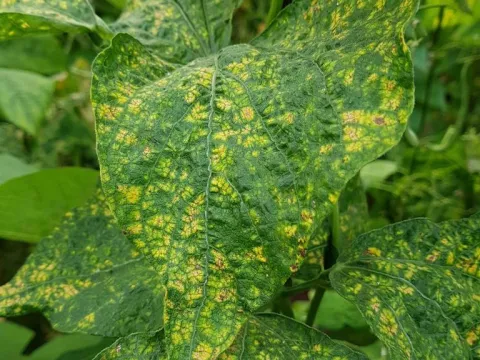
The most common symptoms include a distinct chlorotic mosaic pattern on leaves, characterized by irregular patches of light and dark green tissues. Leaves may appear crinkled, stunted, or distorted, significantly reducing the surface area available for photosynthesis.
Infected pods often exhibit a mottled appearance, distortion, and reduced size. The seeds within these pods may be malformed or shriveled, leading to a decrease in overall seed quality and marketable yield.
Plants infected early in the season show severe growth retardation, including shortened internodes and a bushy, stunted appearance. The overall vigor of the crop is significantly reduced, leading to uneven maturation within the field.
The visual signs can vary significantly depending on the bean cultivar, environmental conditions, and the timing of the initial infection, sometimes mimicking nutrient deficiencies or other viral infections.
- Mottling of the foliage.
- Yellowing of leaf veins.
- Reduced flowering intensity.
- Curling of young leaves.
- Stunting of the whole plant.
The spread of BPMV is strongly correlated with the population dynamics of its insect vectors. Warm, favorable weather conditions during the growing season promote beetle activity, leading to rapid virus transmission.
High moisture levels can contribute to vigorous foliage growth, which in turn attracts more vectors to the crop. This increased insect pressure creates a favorable environment for the virus to move quickly through the planting.
Agricultural practices that allow the presence of weed hosts, such as perennial legumes in the field margins, act as a bridge for the virus. These weeds serve as permanent reservoirs for both the virus and the beetles.
Mechanical operations, such as weeding or cultivation, can accidentally wound plants and facilitate the mechanical spread of the virus from infected individuals to healthy ones in the immediate vicinity.
Overcrowded fields and lack of proper crop rotation can exacerbate the impact of the disease by maintaining high inoculum levels in the soil and surrounding environment year after year.
The economic impact of BPMV is primarily felt through significant yield losses, which can range from 20% to over 50% in heavily infected fields. This loss is a combination of fewer pods and lower seed weight.
Seed quality is severely compromised, as infected plants produce seeds with lower germination rates and vigor. This makes the harvested crop less valuable as a source for future planting and reduces its market appeal.
Plants infected with BPMV are more susceptible to secondary environmental stresses, including drought and other pathogens. The combined stress often leads to premature senescence and death of the plant.
Farmers face increased production costs due to the need for insect management strategies to control the vector populations, which are necessary to limit the spread of the virus within the farm.
In international trade, the presence of seed-borne viruses like BPMV can lead to strict quarantine regulations, potentially restricting the export of legume seeds to countries with strict phytosanitary standards.
The deployment of resistant or tolerant bean varieties is the most sustainable and effective strategy for managing BPMV. Breeding programs continue to seek new sources of resistance against this pathogen.
Integrated pest management (IPM) focusing on the control of the bean leaf beetle is critical. By reducing the number of vectors early in the season, the rate of virus transmission can be significantly suppressed.
Sanitation practices, such as the removal and destruction of infected plants and the control of weed hosts around the fields, are essential to reduce the primary sources of inoculum.
The use of certified, virus-free seed is a foundational step in preventing the introduction of the virus into clean areas. Regular testing of seed lots for BPMV is highly recommended.
Implementing crop rotation and maintaining spatial isolation from perennial legume hosts helps to disrupt the viral life cycle and limits the opportunities for the virus to establish itself in new plantings.