
Beet armyworm nucleopolyhedrovirus
Alphabaculovirus alterspexiguae
Description
Symptoms
The initial signs of infection in larvae include a marked reduction in feeding activity and general lethargy. Within 24 to 48 hours of ingestion, larvae stop eating entirely.
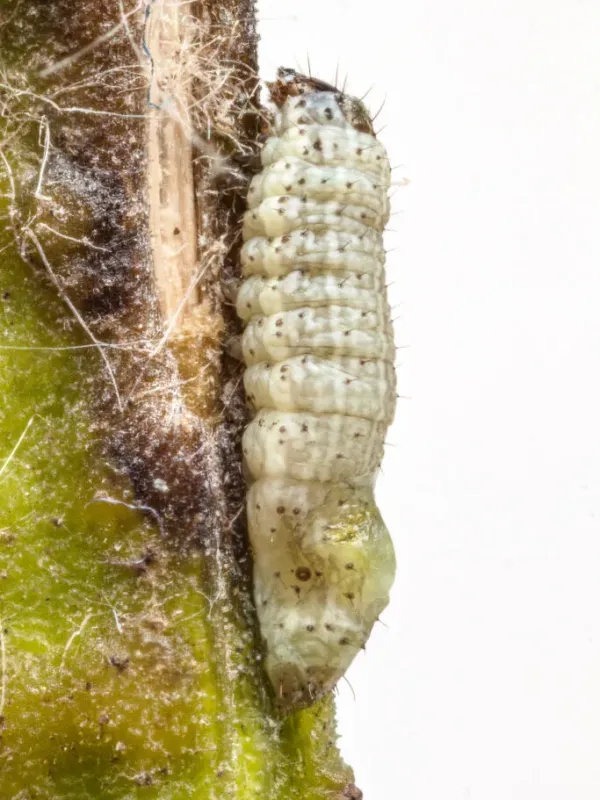
The skin of infected larvae often becomes pale or discolored, losing its healthy luster. As the virus replicates, the larval body becomes soft and loses its structural integrity due to the dissolution of internal tissues.
A classic diagnostic feature of this disease is the fragile nature of the larval cuticle. When touched or handled, the body wall often ruptures, releasing a cloudy, virus-laden fluid.
Infected larvae often exhibit a behavioral change where they climb to the upper parts of the plant and hang in a characteristic inverted position before dying.
Death occurs as the insect's body essentially disintegrates into a suspension of viral occlusion bodies, which then serves as a focal point for spreading the virus to other larvae in the crop.
Pathogen
The causative agent of this biological control mechanism is Alphabaculovirus alterspexiguae, commonly known as Spodoptera exigua nucleopolyhedrovirus (SeMNPV). It belongs to the Baculoviridae family and is a highly specific entomopathogen.
The virus particles are encased in occlusion bodies, which act as a protective protein shield. This structure allows the virus to survive adverse environmental conditions, such as UV radiation and temperature fluctuations, while waiting to be ingested by a host larva.
Upon ingestion by a Spodoptera exigua larva, the alkaline environment of the insect's midgut dissolves the proteinaceous inclusion bodies. This releases the infectious virions, which then penetrate the midgut epithelial cells.
The viral replication cycle involves the rapid infection of all larval tissues, including the fat body and hypodermis. The process eventually leads to the total liquefaction of the internal organs of the insect.
SeMNPV is highly specialized and does not affect beneficial insects, predators, parasitoids, or humans, making it a safe choice for integrated pest management programs.
Conditions for development
Viral development in Spodoptera exigua populations is most efficient under warm, humid conditions. Temperatures between 20°C and 30°C significantly accelerate the viral replication cycle within the host.
Humidity is crucial because it keeps the viral occlusion bodies on the leaf surface viable for longer periods, increasing the chances of ingestion by the larvae.
The density of the pest population plays a vital role in the spread of the virus. High concentrations of larvae facilitate the rapid horizontal transmission of the infection through the population.
UV radiation is the primary factor that degrades the viral particles on the field. Therefore, application timings are strictly recommended during dawn or dusk to maximize the stability of the virus.
The use of spray adjuvants is recommended to improve the adhesion of the virus to the leaf tissue, ensuring that larvae encounter and consume the viral inoculum while feeding.
Why it matters
The beet armyworm is a notorious polyphagous pest that damages a wide range of crops, including tomatoes, peppers, beets, cotton, and various leafy greens. Its impact can be economically devastating if left unmanaged.
Larvae feed by skeletonizing leaves and boring into fruit, which ruins the marketability of the produce. In severe outbreaks, they can lead to complete loss of the crop.
SeMNPV acts as a natural mortality factor. By deploying this virus, growers can suppress armyworm populations effectively without the negative residues associated with conventional chemical pesticides.
Unlike chemical insecticides, this biological agent is highly specific and helps preserve the ecosystem, allowing beneficial insects to survive and continue their natural roles.
Implementing viral-based control strategies is a sustainable way to prevent the development of pest resistance, which is a common problem with traditional chemical control methods.
Protection
Effective control involves the timely application of viral formulations. Treatments should be applied during the early larval instars, as they are the most susceptible to infection.
It is essential to ensure thorough coverage of the plant canopy. Since beet armyworms often feed on the undersides of leaves, equipment calibration to ensure deep foliage penetration is necessary.
For best results, growers should integrate nucleopolyhedrovirus with other sustainable practices, such as biopesticides based on Bacillus thuringiensis, to enhance the overall effectiveness of the control program.
Monitoring the presence of egg masses and early-stage larvae is crucial for determining the right moment to spray, as preventing early damage is easier than controlling an established outbreak.
Storage of the viral formulation is critical; it must be kept in a cool, dark environment to ensure the viability and virulence of the viral particles until the point of use.
Discussion
No discussions yet — be the first.