
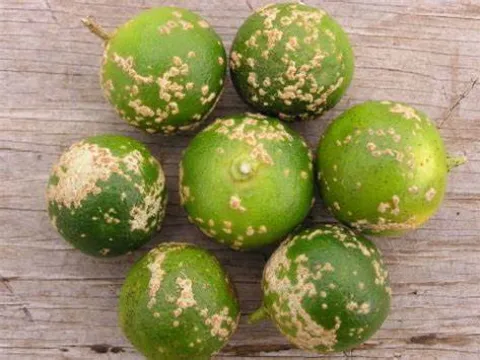
Citrus chlorotic dwarf
Citrus australian
The causative agent of the disease is the Citrus chlorotic dwarf virus (CCDV), which is classified within the Ilarvirus genus.
What the section contains
Citrus chlorotic dwarf
This viral pathogen contains a single-stranded RNA genome and is capable of infecting citrus plants systemically.
Transmission primarily occurs through grafting using infected scion wood from carrier plants.
Mechanical transmission also occurs during pruning or orchard maintenance when using contaminated tools.
Whiteflies are identified as the primary insect vectors responsible for the spread of the virus within orchards.
Symptoms typically manifest as chlorotic spotting and mottling on the foliage, often appearing in complex patterns.
Stunted growth is a hallmark of the disease, resulting in trees that are significantly smaller than their healthy counterparts.
Leaves often exhibit curling and malformation, showing a reduction in overall leaf surface area.
Shortened internodes create a bushy, stunted appearance, which drastically alters the architectural structure of the tree crown.
Progressive decline leads to premature leaf drop and a general decrease in the tree's vigor over several seasons.
Warm climate conditions significantly facilitate the life cycle of the insect vectors, promoting disease spread.
High population densities of whiteflies serve as a catalyst for widespread transmission across commercial plantations.
The movement of infected, asymptomatic nursery stock is the main factor contributing to the global spread of the virus.
Poor sanitation practices, such as failing to disinfect pruning shears between trees, facilitate rapid pathogen transmission.
The presence of alternative weed hosts around the orchard can maintain the viral reservoir throughout the year.
The disease causes substantial financial losses by severely limiting fruit production and tree longevity.
Infected fruits fail to meet market standards due to significant deformation, small size, and poor quality.
The systemic nature of the virus leads to long-term physiological stress, often resulting in the death of the tree.
Reduced vigor makes infected trees highly susceptible to secondary attacks by various fungal and bacterial pathogens.
The requirement for tree eradication and orchard replanting imposes heavy economic burdens on citrus growers.
The primary control strategy involves the exclusive use of certified virus-free budwood and nursery plants.
Strict vector management through integrated pest management (IPM) programs is essential to reduce the whitefly population.
Regular sanitation of pruning and grafting equipment using disinfectants is a critical step in preventing viral spread.
Aggressive scouting and roguing of symptomatic trees are necessary to contain and limit primary disease outbreaks.
Quarantine and strict monitoring of plant movement between regions are vital for long-term orchard protection.