
Zopfia root rot
Zopfia
The disease is caused by the soil-borne fungus Zopfia rhizophila, which belongs to the Sordariomycetes class. This pathogen is a specialized parasite that primarily attacks plant root systems.
What the section contains
Zopfia root rot
The fungus develops mycelium within root tissues, gradually destroying their cellular structure and disrupting nutrient transport. This leads to the eventual collapse of the root system.
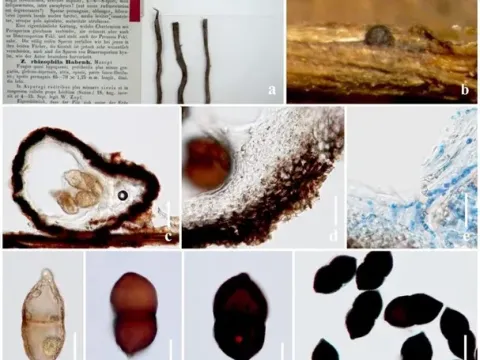
It forms characteristic perithecia, which are small, black, spherical fruiting bodies. These structures serve as the primary means of survival and reproduction for the pathogen.
The ascospores contained within the perithecia are highly resilient and can remain viable in the soil for several years, even in the absence of a host plant.
As a pathogen, Zopfia rhizophila can also persist as a saprotroph in soil organic matter. This biological feature makes it extremely challenging to eradicate from an infested site.
The primary symptom of Zopfia infection is wilting, which often starts during the hottest parts of the day. Initially, the plants may recover at night, but they eventually stop recovering.
Examination of the roots reveals necrotic lesions. The affected roots turn dark brown or black, lose their firmness, and eventually decay, rendering the plant unable to absorb water.
Tiny black dots, representing the perithecia of the fungus, can be observed on the surface of the rotted roots. These are visible upon close inspection of the crown and root area.
Severe infections lead to the total destruction of the root system. As a result, the plant dies, which is particularly devastating for perennial crops like asparagus.
In the field, the disease typically manifests as patches of stunted, chlorotic plants. These patches tend to expand over time if conditions remain conducive to fungal growth.
High soil moisture is the most critical environmental factor for the spread of Zopfia. Waterlogged conditions or poorly drained soil significantly increase the rate of infection.
The fungus thrives at moderate temperatures. Springtime weather, characterized by cool and damp conditions, provides the ideal window for the pathogen to colonize young roots.
Continuous cropping of susceptible varieties on the same plot is a major driver of the disease. Monoculture practices allow the fungal population to build up to damaging levels.
Compacted soils with poor aeration prevent the development of a healthy root system and beneficial soil microorganisms, making plants more vulnerable to Zopfia.
The pathogen is primarily spread through infested soil and contaminated planting material. Farm machinery and irrigation runoff can also transport spores across different fields.
Zopfia root rot is a severe threat, especially for asparagus crops. It can cause significant economic losses by reducing both the yield and the productive lifespan of the plantation.
The infestation leads to increased costs due to the need for crop removal and land fallowing. Once a field is heavily infected, it may be unsuitable for the crop for years.
Plant vigor is severely compromised, leading to lower quality produce and smaller harvest sizes. Over time, the disease can lead to complete plantation failure.
The persistent nature of the pathogen makes recovery difficult. The need for long rotations away from the host crop impacts the overall efficiency of the agricultural operation.
Due to the long-term survival of spores in the soil, the pathogen poses a continuous risk to subsequent plantings if preventative measures are neglected.
A rigorous crop rotation schedule, avoiding host plants for 5 to 7 years, is the most effective way to manage the disease and reduce soil inoculum levels.
Strict hygiene protocols, including the use of certified pathogen-free planting stock, are essential to prevent the introduction of the fungus into clean fields.
Improving soil structure, drainage, and aeration is crucial. Creating a healthy environment helps roots resist infection and discourages the activity of the pathogen.
Application of fungicides during the planting phase can provide a protective barrier for roots. Integrated pest management strategies are recommended for long-term control.
Cleaning tools, footwear, and tractor tires after working in infested zones is a standard and necessary practice to prevent the movement of contaminated soil particles.