
Zygomycosis
Zygomycota
Zygomycosis in plants is a group of diseases caused by fungi belonging to the Zygomycota phylum, with the most common and damaging genera being Rhizopus and Mucor.
What the section contains
Zygomycosis
These fungi are typically opportunistic saprobes that thrive on dead organic matter but can rapidly transition to parasitizing living tissues when plants are weakened or damaged.
The pathogen produces an extensive, rapid-growing mycelium that penetrates the host tissue, secreting enzymes that dissolve the cell walls of the infected plant parts.
Reproduction occurs primarily through asexual sporangiospores, which are microscopic and easily dispersed over long distances by wind, water splashing, or insect vectors.
The survival of the fungus is ensured by the production of resistant spores (zygospores), which allow the pathogen to remain dormant in the soil or crop debris for extended periods.
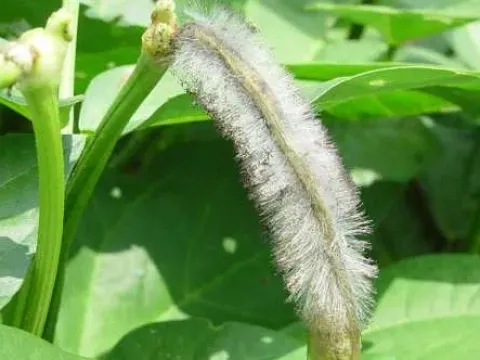
The most distinctive symptom of zygomycosis is the rapid development of a dense, white, cotton-like mycelial mat covering the surface of the infected fruits or vegetables.
As the infection progresses, the fungal colonies turn grey or black due to the dense production of sporangia, which house millions of microscopic spores.
Infected plant tissues undergo rapid decay, becoming soft, watery, and losing all structural integrity, often accompanied by a pungent or sour fermentation odor.
In many cases, internal rot is present even if the external surface initially shows only subtle signs of distress, making early detection a significant challenge.
Fruits and vegetables prone to this disease quickly collapse into a pulpy, liquid mess, making them completely unusable for both fresh market consumption and processing.
The development of zygomycosis is highly dependent on environmental factors, with high relative humidity (above 85%) being the primary driver of rapid fungal expansion.
Warm temperatures, generally between 20°C and 30°C, significantly accelerate the metabolic rate of the fungus, leading to explosive outbreaks in storage facilities.
Physical injuries to the plant epidermis, such as punctures, cuts, or bruises caused during harvesting, serve as the primary entry points for the fungal mycelium.
Poor ventilation in storage environments leads to stagnant air and localized microclimates with higher humidity, creating perfect conditions for secondary infection spread.
In field settings, waterlogged soils or contact between produce and moist soil are major risk factors that initiate the primary infection cycle for many vegetables.
The economic impact of zygomycosis is devastating, as it can ruin massive quantities of harvested produce within just a few days if proper conditions are not maintained.
The disease is a major concern for the post-harvest industry, leading to significant financial losses during transportation and retail distribution of perishables.
The rapid colonization of fruits by Rhizopus species not only destroys the crop but can also facilitate the growth of other secondary bacterial soft rot pathogens.
Consumption of infected produce is strictly discouraged, as these fungi can produce various secondary metabolites that may be hazardous to human and animal health.
Control is difficult because the spores are ubiquitous in the environment, making total exclusion of the pathogen from the production chain nearly impossible.
Effective management begins with strict post-harvest sanitation, including the thorough cleaning and disinfection of storage rooms, crates, and harvesting tools.
Maintaining optimal storage temperatures and low humidity levels is essential to suppress the growth of fungal mycelium and prevent the spread of the infection.
Gentle harvesting techniques are critical to minimize surface wounding, as intact skins provide a strong physical barrier against the invasion of these opportunistic fungi.
Prompt removal of any symptomatic or damaged produce from the batch is necessary to stop the spread of infection to adjacent, healthy items in the same container.
Field-level management should focus on good drainage, weed control to improve airflow, and the use of preventative biological controls like Trichoderma species.