
Zopfiaceae fungal infections
Zopfiaceae
The causal agents of these diseases are fungi within the Zopfiaceae family, which belongs to the Dothideomycetes class. These organisms are typically ascomycetes that exist as saprotrophs or weak plant pathogens.
What the section contains
Zopfiaceae fungal infections
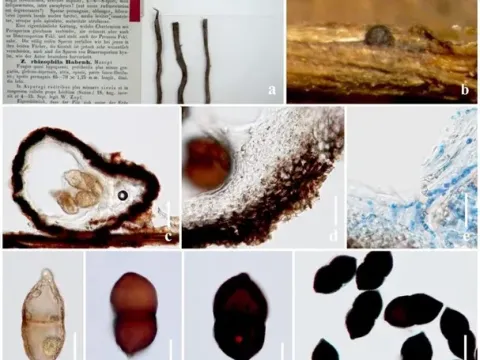
A key structural feature of these fungi is the development of pseudothecia, which are fruiting bodies embedded within the host's plant tissues. This architecture provides protection for the pathogen against external stresses.
The mycelium of the fungus penetrates deep into the parenchyma of the host plant. By secreting specific enzymes, the fungus breaks down cellular walls, extracting essential nutrients for its growth and colonization.
The pathogen's life cycle is heavily dependent on environmental moisture. In the presence of water, it releases ascospores that act as the primary inoculants for the next infection cycle.
Recent taxonomic revisions have clarified the biological classification of Zopfiaceae, providing better insights into their role in plant disease cycles and their interaction with other soil microorganisms.
Initial symptoms are characterized by chlorotic spots on leaves or stems that progress into necrotic lesions. These spots often develop a distinct dark brown or black appearance over time.
The presence of tiny, dark fruiting bodies (pseudothecia) on the surface of dead tissue is a hallmark of this disease. These structures are often visible to the naked eye or under a magnifying lens.
Infection of the root system manifests as cortical browning and general plant stunting. The lack of proper nutrient uptake leads to wilting, even when soil moisture levels are deemed sufficient.
During periods of high humidity, a faint fungal growth (conidial sporulation) may appear around the infected zones, accelerating the spread of the pathogen to healthy plant parts.
Advanced diagnostic methods, including microscopic observation and fungal culture, are often required to distinguish this disease from other similar necrotrophic infections in commercial settings.
High relative humidity is the primary catalyst for the development of Zopfiaceae-related infections. Surface water on foliage or waterlogged soil creates a perfect environment for spore germination.
Moderate temperatures ranging from +18°C to +24°C are optimal for the rapid spread of the pathogen. However, the spores remain resilient across a broad range of temperature fluctuations.
Poor ventilation in greenhouses or dense field plantings significantly increases the risk of an outbreak. Stagnant air prevents leaves from drying, allowing spores to successfully penetrate the tissue.
The persistence of the fungus is largely supported by infected plant debris left in the field. Lack of proper sanitation and soil preparation leads to a buildup of the fungal inoculum over seasons.
Physically damaged plants, caused by hail, pruning, or insect feeding, are significantly more susceptible to infection. These injuries provide direct entry points for the fungal mycelium.
The primary impact of these fungal infections is the loss of photosynthetic leaf area, which severely reduces the plant's overall biomass and potential for energy storage.
Reduced nutrient and water transport due to root or vascular infection causes significant stunting. Plants become less vigorous, and the quality and quantity of fruit yield are noticeably diminished.
Post-harvest rot is a significant concern, as the fungi can survive on produce and degrade quality during storage. This results in heavy economic losses for distributors and farmers alike.
Significant infestations can lead to yield losses of up to 30-50% in vulnerable crops if management strategies are not implemented during the early stages of disease progression.
Furthermore, the damage caused by Zopfiaceae often serves as a secondary pathway for opportunistic bacteria and other aggressive pathogens, complicating the entire disease management profile.
Effective crop rotation is the foundation of preventing Zopfiaceae infections. Alternating host crops with non-host species breaks the infection cycle and reduces soil-borne inoculum.
Sanitation practices, such as the complete removal and destruction of crop residues, are vital. Deep plowing helps to bury infected material, accelerating its decomposition and reducing spore viability.
Systemic fungicides, when applied preventively or at the first sign of symptoms, can significantly limit disease spread. Proper timing and choice of chemical class are essential for efficacy.
- Use resistant or tolerant cultivars suitable for local climate conditions.
- Maintain proper plant spacing to ensure air circulation and reduce humidity levels.
- Monitor crops frequently, especially during cool and rainy weather periods.
Biological control agents, such as beneficial Trichoderma species, can effectively outcompete the pathogen in the soil. These methods are safe and highly recommended for sustainable agricultural programs.