
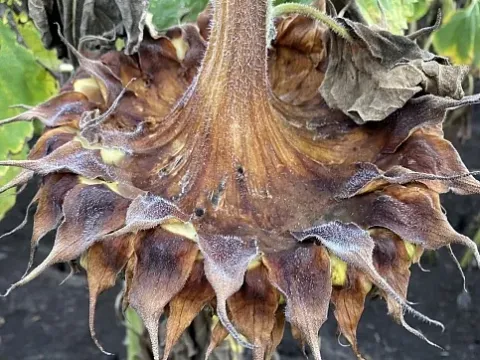
Zygomycosis of plants
Zygomycetes
The causative agents of zygomycosis are lower fungi from the division Zygomycota, most commonly represented by the genera Rhizopus, Mucor, and Choanephora. These microorganisms are facultative parasites that can exist both as saprotrophs on organic residues and as pathogens infecting weakened plant tissues.
What the section contains
Zygomycosis of plants
The life cycle of these fungi is dominated by asexual reproduction through sporangiospores, which are easily dispersed by air currents. Under unfavorable conditions, the fungi form zygospores, specialized structures that ensure the survival of the pathogen in the soil and on plant debris for extended periods.
Infection primarily enters the plant through mechanical damage, micro-cracks, or direct contact of fruits with contaminated soil. During their growth, these fungi release a complex of enzymes that degrade the middle lamella of plant cell walls, leading to rapid tissue disintegration.
These fungi are characterized by an extremely high rate of mycelial growth in the presence of sufficient moisture. Their biological feature is the ability to rapidly colonize the substrate, making them particularly dangerous pathogens during the post-harvest storage phase.
In agronomic practice, zygomycoses are often classified as diseases causing soft rots. They affect a wide range of crops, including vegetables, berries, and fruits, both in field conditions and in storage facilities.
The primary symptom of infection is the appearance of watery, rapidly enlarging spots on fruits, leaves, or stems. The plant tissues lose turgor and quickly soften, turning into a formless mass often accompanied by a pungent odor.
A characteristic sign of zygomycosis development is the presence of abundant cotton-like mycelium, which eventually turns gray or black due to the mass maturation of sporangia. This fungal mat can cover a significant area of the affected organ.
When fruits are affected, the infection penetrates deep into the tissue, causing decay within just a few days. The exudation of fluid from the affected areas is common, which serves as a source of inoculum for neighboring specimens.
In the early stages, the disease may go unnoticed as the tissue destruction occurs beneath the epidermis. Later, the surface cracks, exposing the fungal mycelium and spore-bearing structures.
In field conditions, the symptoms of zygomycosis can sometimes be confused with bacterial rots; however, the presence of a gray or black "fuzzy" fungal growth is a reliable diagnostic feature distinguishing it as a fungal infection.
The development of zygomycosis is promoted by high humidity levels, usually exceeding 80–85%. Moisture on the surface of plants is a critical factor for spore germination and successful fungal penetration into the tissues.
Optimal temperatures for most of these pathogens range between +20°C and +28°C. Under these conditions, the incubation period is significantly shortened, allowing for epidemic outbreaks to occur within a very short timeframe.
Poor agricultural practices, such as high-density planting and inadequate ventilation, create an ideal microclimate for the accumulation of infectious inoculum. Lack of airflow prevents the aerial parts of plants from drying after rain or dew.
Mechanical damage caused during harvesting, transport, or by pests serves as the main entry point for the pathogen. Fresh wounds on fruits and tubers are almost instantly colonized by fungal hyphae.
Inadequate disinfection of storage facilities and containers contributes to the accumulation of fungal spores. In such environments, these fungi can remain viable for years, waiting for the right moment to infect new batches of produce.
The damage caused by zygomycosis results in direct loss of commercial produce. Affected fruits and vegetables become entirely unfit for consumption, as these fungi can produce mycotoxins that pose health risks to humans.
The disease causes enormous economic losses during storage. A single infected fruit in a crate can lead to the spoilage of the entire batch within days through direct contact spreading, necessitating severe culling procedures.
Zygomycoses complicate logistics and post-harvest operations, requiring strict temperature and humidity control. The constant need for sorting and inspecting produce increases labor costs significantly.
In field conditions, these fungi can infect seedlings, causing damping-off and mass mortality. This leads to reduced plant stands and the need for replanting, which increases overall production costs.
Additionally, this group of pathogens facilitates secondary infections in plants already stressed by other diseases or unfavorable weather conditions, further complicating the overall phytopathological situation.
The basis of prevention is good agricultural practice: timely removal of plant debris where fungi overwinter and strict adherence to crop rotation. It is unacceptable to leave rotting fruits in the field or in storage.
A key preventive measure is gentle harvesting to avoid damaging the outer tissues of the crop. Any mechanically injured produce must be separated from the main batch and processed or sold immediately.
In storage facilities, it is necessary to maintain an optimal humidity level (ideally below 70%) and ensure constant ventilation. Regular disinfection of facilities and containers with approved fungicides or sanitizers is highly effective.
Chemical control in the field involves the application of broad-spectrum fungicides to suppress fungal development. However, their effectiveness against zygomycosis is often limited due to the rapid growth rate of the pathogen.
Biological control methods include the use of products based on antagonist bacteria (such as Bacillus subtilis), which create a competitive environment for fungal mycelium and restrict its development on the surface of the produce.