
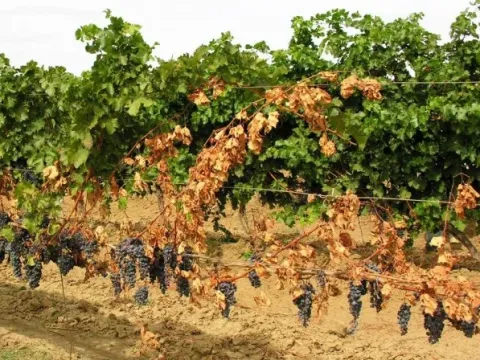
Verticillium wilt
Verticillium tricorpus
The causative agent of the disease is the soil-borne imperfect fungus Verticillium tricorpus. This pathogen is capable of surviving in the soil for long periods as microsclerotia, which possess high resistance to unfavorable environmental conditions.
What the section contains
Verticillium wilt
The fungus attacks the vascular system of plants, entering through the root system, most commonly via micro-wounds or damage caused by nematodes and soil-dwelling pests.
A distinctive feature of V. tricorpus compared to other members of the genus is its ability to produce not only microsclerotia but also dark resting hyphae, making it highly persistent in various soil types.
The pathogenic complex often involves vascular infection, where the fungal mycelium actively colonizes the xylem, obstructing the normal transport of water and nutrients from the roots to the upper parts of the plant.
The biology of the pathogen is closely tied to crop rotation, as the fungus can infect a wide range of hosts, including solanaceous, cucurbit, and berry crops.
The initial signs of the disease appear as chlorosis of the lower leaves, often occurring unilaterally and affecting only a part of the leaf blade.
As the infection progresses, the affected leaves turn yellow and wither, but remain attached to the stem for a long time instead of falling off immediately.
A cross-section of the stem of an infected plant reveals a characteristic brown or dark discoloration of the vascular ring, indicating the blockage of conducting vessels by fungal mycelium.
Under high humidity, a light spore cover may develop on the stem surface or root collar, although the disease more often remains latent until the fruiting stage.
General plant stunting is accompanied by growth cessation, reduced fruit size, and premature death of the entire vegetative mass.
The primary factor driving disease development is the optimal soil temperature for the fungus, ranging from +20°C to +25°C, which often coincides with the active growth phase of summer crops.
High soil moisture promotes more intensive root system infection, although dry periods exacerbate external wilting symptoms due to the inability of the vessels to support transpiration.
The pathogen is easily spread through infected planting material, seeds, and by the movement of soil via agricultural machinery or runoff water.
Violation of crop rotation and monoculture practices lead to the accumulation of high titers of microsclerotia in the topsoil, making further cultivation of susceptible crops highly risky.
Soil acidity also affects the aggressiveness of the fungus, with moderately acidic soils often favoring infection development.
The harmfulness of Verticillium tricorpus lies in the sharp decline of market crop quality and premature plant death, leading to direct economic losses.
The disease significantly restricts the photosynthetic activity of the plant, directly resulting in reduced vegetative biomass and lower sugar content in fruits.
Vascular damage leads to an irreversible disruption of plant metabolism, causing plants to lose turgor and die rapidly, regardless of irrigation.
The infectious background remains in the soil for many years, complicating the return of susceptible crops to the field even after long fallow periods.
Epiphytotic spread of the pathogen in greenhouses can lead to total crop loss within a single growing season if control measures are absent.
The cornerstone of protection is the use of healthy, certified planting material and the cultivation of Verticillium-resistant hybrids.
The most important agrotechnical practice is the strict adherence to crop rotation, excluding the return of susceptible crops to the same area for at least 4–6 years.
Soil sanitation involves the use of green manure crops with phytosanitary properties, as well as deep plowing to bury the pathogen in deeper soil layers.
Chemical control is limited by the efficacy of fungicides, therefore primary attention is given to seed treatment and the localized application of preparations to the root zone during seedling transplanting.
- Use of biofungicides based on Trichoderma fungi
- Destruction of plant debris after harvesting
- Monitoring and control of soil-dwelling pests that damage roots
- Maintenance of optimal mineral nutrition for plants