
Vexillomycosis
Vexillomyces atrovirens
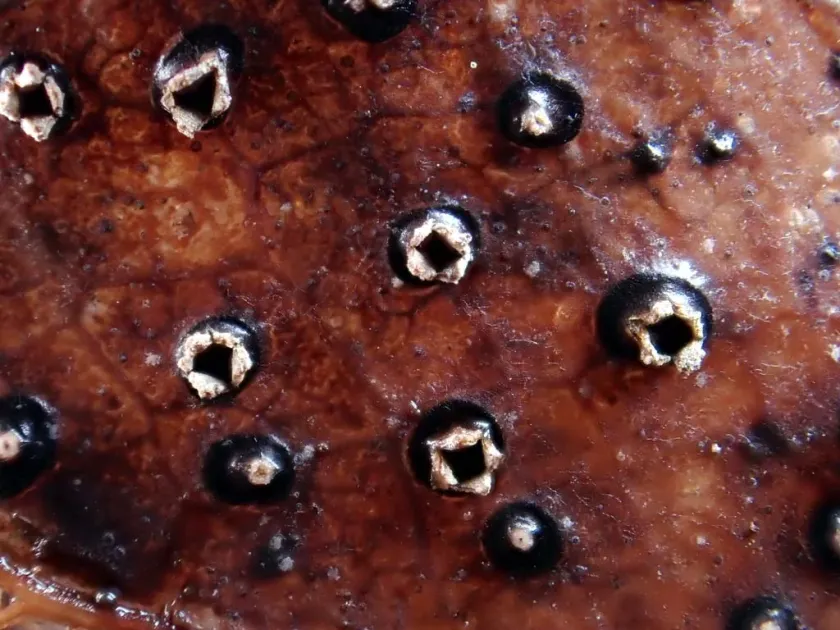
Description
Symptoms
The primary clinical signs of infection are small, dark, nearly black lesions appearing on the leaf blades. These necrotic spots gradually expand, coalescing and covering larger areas of the foliage.
Affected plants exhibit stunted growth and significant physiological distress. Leaves often curl, turn yellow, and eventually show necrotic margins, indicating a failure of the nutrient transport system.
In high humidity environments, a fine, specialized fungal mat may be observed on the underside of the leaves. This is accompanied by progressive wilting of the terminal shoots, even if soil moisture is adequate.
The vascular bundles of the plant may show dark discoloration when sliced, a hallmark sign of systemic vascular infection by the fungus.
- Dark necrotic leaf spots
- Chlorosis and leaf curling
- Stunted vegetation growth
- Terminal shoot wilting
- Vascular system discoloration
Pathogen
The causative agent of this disease is the microscopic fungus Vexillomyces atrovirens. This pathogen is a highly specialized fungus that primarily targets the vascular system and epidermal tissues of susceptible plant hosts.
The fungus completes its life cycle by producing spores that remain viable in soil or crop residues for extended periods. Dissemination of the infection occurs via conidia spread by wind, splashing rain, or agricultural tools.
The biological nature of this fungus allows it to enter plant hosts through stomata or mechanical injuries caused by pests. Once inside, it begins aggressive colonization of the intercellular spaces.
Vexillomyces atrovirens utilizes specific enzymes to degrade cell wall components, which facilitates the uptake of nutrients from the host plant. This process severely compromises the structural integrity of the plant tissue.
This pathogen demonstrates strong resilience to varying climatic conditions, enabling it to persist across different agro-ecological zones and emerge when conditions are optimal.
Conditions for development
The development of Vexillomycosis is heavily promoted by high humidity levels, ideally within the 80-90% range. Frequent rainfall and persistent morning fog are critical environmental triggers for rapid infection.
Optimal temperatures for the growth of the fungus range from +18 to +24 degrees Celsius. These conditions allow the fungus to achieve maximum reproductive rates within a short time frame.
Dense planting patterns and poor air circulation create a microclimate that traps moisture on foliage, providing the perfect medium for spore germination and colony expansion.
Improper crop rotation practices contribute to the build-up of the pathogen in the soil. When susceptible crops are planted repeatedly, the inoculum density increases dramatically.
Nutritional imbalances, such as excessive nitrogen application combined with potassium deficiency, weaken the plant's natural defense mechanisms, increasing susceptibility to the fungus.
Why it matters
Vexillomycosis is economically damaging as it interferes with photosynthesis, which is essential for biomass accumulation and fruit development. This leads to substantial reductions in total crop yield.
Infected produce often suffers from reduced market quality and poor shelf life. In severe cases, the entire plant may collapse, rendering the yield completely unmarketable.
The disease acts as a source of inoculum that can spread rapidly throughout a field. Failure to manage the outbreak early can lead to epiphytotic conditions, affecting large hectares of crops.
Seed quality is often compromised in diseased crops, leading to lower germination rates and weaker initial plant development in subsequent planting seasons.
Financial losses are compounded by the high costs associated with repeated fungicide applications and the loss of marketable harvest volume during the growing season.
Protection
The primary strategy for controlling Vexillomycosis is integrated pest management. Crop rotation is essential, with a gap of at least 3-4 years before planting susceptible crops in the same area.
Strict sanitation measures, including the destruction or deep incorporation of crop residues, help to significantly reduce the primary source of the fungal inoculum in the field.
The use of certified, disease-free seed is crucial for prevention. Seed treatment with systemic fungicides can protect young seedlings from early-stage infections.
Optimizing plant spacing ensures better airflow, which helps keep the foliage dry and creates an unfavorable environment for fungal germination.
When necessary, systemic fungicides should be applied preventively or upon the first appearance of symptoms. Rotating active ingredients is recommended to prevent the fungus from developing resistance.
Discussion
No discussions yet — be the first.