
Aloe rust
Uromyces aloes
The causative agent of this disease is the parasitic fungus known as Uromyces aloes. This fungus is a specialized pathogen that targets succulent plants within the Aloe genus, surviving strictly as a biotrophic parasite.
What the section contains
Aloe rust
The fungus propagates through spores that travel through the air, water, or via garden tools. Once landing on a susceptible host, these spores germinate if environmental conditions are suitable, primarily requiring surface moisture.
After penetration, the mycelium spreads within the plant's leaf tissues, absorbing nutrients and causing structural damage. This internal colonization leads to the visible symptoms that characterize the rust.
The reproductive phase of Uromyces aloes involves the formation of pustules beneath the plant epidermis. These structures rupture, releasing masses of spores that start the cycle again on the same or neighboring plants.
Maintaining a healthy environment is difficult because the fungus can remain latent in minor forms until moisture levels increase. Understanding its life cycle is crucial for implementing effective control strategies.
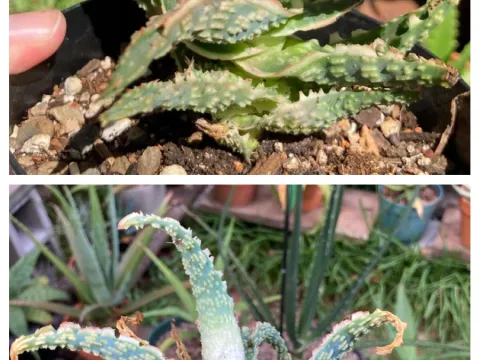
Early symptoms appear as small, yellow or light-orange spots scattered across the leaf surface. Initially, these may be mistaken for minor leaf injuries or pigment fluctuations.
As the disease advances, these spots transform into raised pustules, usually brown or reddish-brown in color, resembling rust on metal. These pustules signify that the fungus has reached maturity.
A powdery, dust-like substance often emanates from the ruptured pustules when the leaf is touched. This dust consists of thousands of fungal spores ready to infect other parts of the plant.
Severe infestations cause the leaves to lose turgidity, turn yellow, and eventually shrivel. The overall aesthetic value of the Aloe is compromised as leaves become deformed and dry out.
In advanced cases, secondary infections may set in, leading to soft rot. The damage caused by the fungus creates an open door for various bacteria to invade the already weakened plant tissues.
High humidity and poor air circulation are the primary drivers of Aloe rust outbreaks. As succulents adapted to arid environments, Aloe plants suffer significantly when exposed to stagnant, humid air.
Watering methods play a major role in the spread of the infection. Splashing water onto the foliage or allowing it to pool in the leaf rosettes creates the perfect environment for spores to germinate.
Temperature fluctuations, particularly cool, damp nights followed by warm days, weaken the plant's natural defenses. This stress makes it much easier for the fungus to establish a foothold.
Overcrowding plants in a greenhouse or window sill limits airflow. When plants touch each other, spores can easily migrate from an infected leaf to a healthy one via direct contact or air currents.
Hygiene is essential. Introducing a new, infected plant into a collection without a quarantine period is the most common cause of a sudden rust outbreak in a previously healthy succulent group.
The primary harm is the destruction of the plant's visual appeal. Since Aloe is often grown for its architectural beauty, the scarring and pustules caused by the rust make it unsuitable for display.
Physiologically, the fungus interferes with photosynthesis. By destroying leaf cells, the pathogen reduces the plant's ability to create energy, leading to stunted growth and poor health.
The rupture of the epidermis leads to excessive water loss. Even if the plant is watered regularly, it may exhibit signs of dehydration because the damaged leaves cannot regulate moisture properly.
If left untreated, the cumulative damage can lead to the death of individual leaves and eventually the entire plant. Once the core or root system is affected, recovery becomes nearly impossible.
The disease also makes the plant prone to pest attacks. Stressed plants emit chemical signals that can attract pests like scale insects or mealybugs, which further exacerbate the health decline.
The first step in control is isolating the infected plant to prevent the spread of spores. Ensure that no other plants in the vicinity are exposed to the same air currents or water splash.
Remove and discard severely infected leaves using a sterilized blade. Dispose of the clippings properly and do not add them to compost, as the spores can survive there for a long time.
Systemic fungicides are the most effective way to treat an active rust infection. Apply these products according to the manufacturer's guidelines, ensuring thorough coverage of the affected areas.
- Apply a systemic fungicide spray.
- Reapply the treatment in 10-14 days if symptoms persist.
- Improve air circulation to reduce humidity around the plant.
- Water only at the soil level to keep the foliage dry.
- Keep the plant in a bright, well-ventilated space to encourage rapid drying.
Prevention is centered on good cultural practices. Keep the foliage dry, provide adequate space between plants, and inspect your collection regularly to catch potential problems in their earliest stages.