
Almond-scented russula
Russula laurocerasi
Description
Pathogen
The almond-scented russula (Russula laurocerasi) is a basidiomycete fungus belonging to the Russulaceae family. It is not a plant disease but a mycorrhizal organism.
This fungus forms a symbiotic relationship with the roots of various tree species, particularly deciduous trees, through the development of ectomycorrhizae.
Unlike pathogenic fungi that cause plant diseases, this species provides nutrients to its host plant in exchange for carbohydrates produced by photosynthesis.
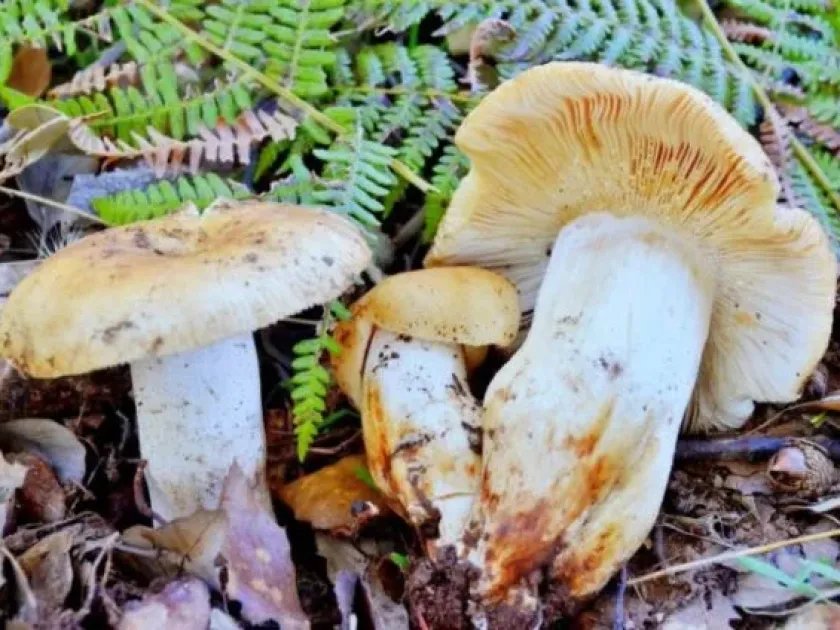
The fruit bodies are recognized by their ochre-colored caps, furrowed margins, and a distinct odor reminiscent of bitter almonds or cherry laurel.
It plays a significant role in forest soil health by assisting in the breakdown of organic matter and facilitating nutrient uptake by trees.
Conditions for development
The growth of Russula laurocerasi is typically observed in broad-leaved or mixed forests where compatible tree partners are present.
The development of the fungus is favored by moist, well-drained soil rich in organic detritus, typical of mature forest ecosystems.
Optimal fruiting conditions include moderate temperatures and high humidity, which typically occur from mid-summer through early autumn.
The fungal mycelium can survive in the deep layers of leaf litter, waiting for suitable environmental triggers to produce visible fruiting bodies.
Dispersal is achieved through spores that are released into the air and deposited on soil surfaces, where they can germinate near host roots.
Why it matters
This fungus is not a plant pathogen and does not cause harm to agricultural crops, ornamental plants, or forest trees.
It does not function as an agricultural pest or disease, meaning there is no negative impact on plant health or commercial crop yields.
In forest management, the presence of this fungus is considered natural and beneficial, as it is a standard component of healthy woodland.
There are no measures of control or prevention required, as this organism does not damage cultivated plants or infrastructure.
Its only negative characteristic is its unpalatability for human consumption due to an intense burning taste and characteristic almond odor.
Discussion
No discussions yet — be the first.