
Alpine coral fungus
Hericium alpestre
Description
Symptoms
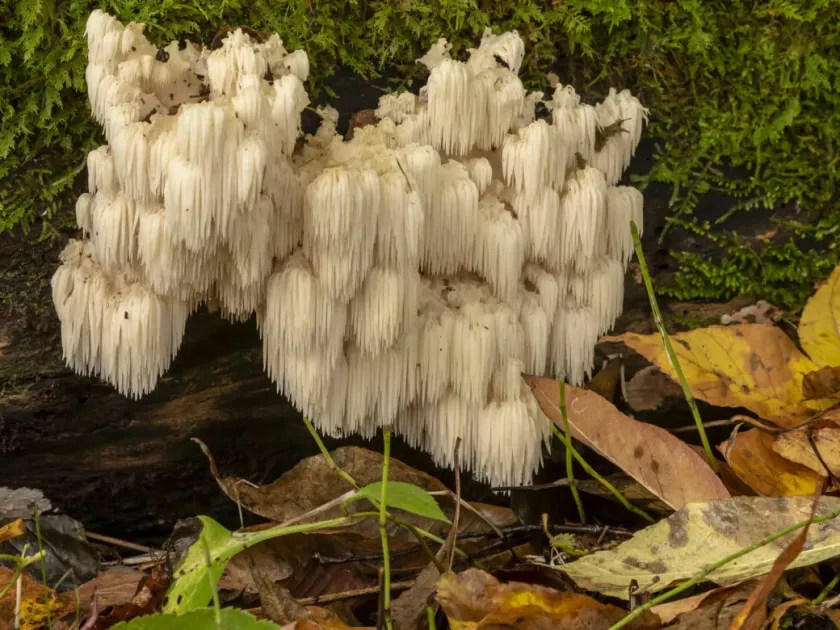
The most visible symptom of an infestation is the presence of coral-like fruiting bodies appearing on the bark of infected conifers.
Internally, the wood becomes brittle and discolored, losing its structural integrity and mechanical strength over time.
Dying foliage in the upper canopy is often a secondary symptom, indicating that the vascular system is no longer functioning properly.
Advanced stages of decay lead to localized sunken areas or bark detachment near the site of the fungal colonization.
Key identification markers include:
- White to cream-colored coral-shaped growths on trunks.
- Brittle and crumbly internal wood structure.
- Reduced vitality and stunted growth of the affected host tree.
Pathogen
The causal agent of this disease is the wood-decaying fungus Hericium alpestre, which belongs to the class of Basidiomycetes.
The mycelium of the fungus penetrates the tree's vascular system and trunk, where it actively decomposes wood fibers, focusing on cellulose and lignin.
Fruiting bodies are characterized by their coral-like appearance, featuring long, pendulous spines that serve as the primary indicator for identification.
The fungus is adapted to high-altitude forest ecosystems, relying on specific moisture and temperature regimes to complete its life cycle.
It acts as a primary decomposer but can also colonize weakened standing trees, leading to serious internal structural damage.
Conditions for development
Development of Hericium alpestre is highly dependent on cool and humid environments typical of mountainous or subalpine regions.
Mechanical damage caused by frost cracks, snow damage, or wildlife provides immediate entry points for fungal spores to colonize the wood.
High relative humidity and poor air circulation in dense forest stands contribute significantly to the spread of the pathogen.
Trees stressed by drought, soil compaction, or nutrient deficiencies are significantly more susceptible to infection.
Long periods of moisture retention on tree trunks facilitate the germination and penetration of the fungus into the host.
Why it matters
The fungus causes severe heart rot in conifer species, significantly reducing the economic value and quality of timber production.
Infected trees become structurally unstable and are prone to windthrow, posing safety risks to forestry operations and hikers.
Persistent presence of the pathogen leads to the gradual decline of the stand, potentially resulting in localized tree mortality.
Increased maintenance and sanitary harvesting costs are required to manage infected areas and limit the disease spread.
The long-term impact on the forest ecosystem involves the loss of older trees that are essential for biodiversity and habitat stability.
Protection
Integrated forest management is the primary control strategy, focusing on maintaining tree health and stand vigor.
Regular sanitation thinning to remove diseased, dead, or dying trees is essential to reduce the overall inoculum density.
Preventive measures include protecting trees from mechanical injuries during silvicultural activities to reduce infection pathways.
Monitoring programs should be established in high-risk areas to detect the presence of fruiting bodies early in the season.
Promoting a diverse tree species composition can help minimize the spread of the disease compared to dense, monospecific conifer plantations.
Discussion
No discussions yet — be the first.