
Urnula
Urnula
The fungus Urnula belongs to the family Sarcosomataceae. It is essentially a saprophytic organism, but under certain conditions, it can act as a pathogen affecting the weakened wood of various deciduous trees.
What the section contains
Urnula
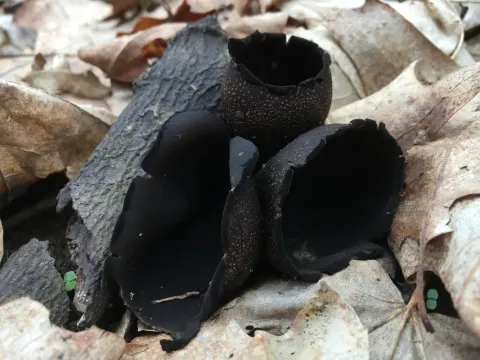
The fungus is characterized by the production of dark, cup-shaped fruiting bodies, which serve as the primary source of airborne spores during the reproductive phase.
The mycelium of the fungus penetrates deep into the tree tissues, gradually breaking down lignin and cellulose, which are essential components of wood structure.
The life cycle is closely linked to the presence of decaying plant debris, where the fungus survives during unfavorable weather conditions before infecting living hosts.
It typically targets trees that are already suffering from environmental stress, poor nutrition, or existing wounds, making them susceptible to the infection.
The most distinctive visual indicator is the presence of cup-like, dark brown to black fruiting bodies growing directly from the bark or dead wood of the tree.
Bark cracks and localized rotting in the trunk area are common signs that the fungus has successfully colonized the interior tissues of the tree.
Infected branches may show signs of dieback, where leaves turn yellow, wilt, and eventually drop prematurely due to the restricted nutrient flow.
A white or grey fungal mat, known as mycelium, can often be found underneath the loose bark in areas where the infection has significantly progressed.
Over time, the affected wood structure becomes soft and spongy, leading to structural instability and a high risk of branch snapping during high winds.
The development of Urnula is highly dependent on high moisture levels and high humidity, as spores require a damp environment to germinate effectively.
Shaded areas with poor air circulation provide the perfect microclimate for the growth of fruiting bodies and the rapid expansion of the fungal colony.
Mechanical damage to the tree, caused by pests or improper pruning, creates entry points through which fungal spores can easily penetrate the deeper layers.
Moderate spring temperatures are typically associated with the appearance of the fruiting bodies, as the fungus capitalizes on the spring thaw and moisture.
Overcrowded forest stands or gardens, where moisture remains trapped on the bark for extended periods, significantly increase the likelihood of an outbreak.
The primary harm caused by this fungus is the internal decay of wood, which weakens the tree and significantly shortens its natural lifespan.
By compromising the tree's health, the fungus invites opportunistic pests and other pathogens to further damage the plant, often leading to total loss.
The aesthetic value of trees in landscaping is severely diminished when visible fruiting bodies emerge and the bark begins to show signs of decay.
In fruit production, trees infected with Urnula show reduced vigor and lower yields, as energy is diverted to fighting the infection rather than growing fruit.
Once internal wood decay reaches a critical point, the tree becomes a safety hazard, as it may collapse or drop large branches without warning.
Sanitation is key; all infected wood and fallen debris should be removed and destroyed immediately to prevent the spread of fungal spores.
Proper pruning techniques should be employed to improve airflow within the canopy, helping to keep bark surfaces dry and less hospitable to fungi.
All pruning wounds and accidental bark injuries should be treated with appropriate fungicidal sealants to protect the tree from potential infection.
Regular monitoring of tree health, especially after severe weather, allows for early detection of infections before the fungus causes extensive damage.
Applying preventative fungicide sprays during the early spring dormant season can help inhibit the growth of spores and protect vulnerable tree parts.