
Stentor
Stentor
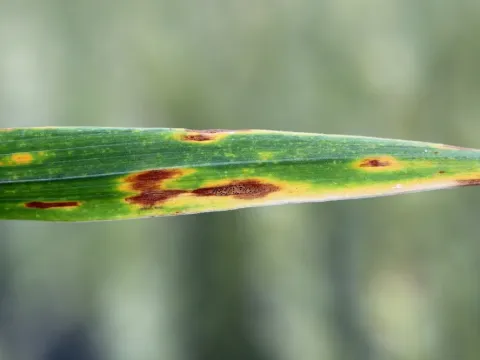
Symptoms of Stentor infection in the early stages appear as chlorotic spots on the leaf blade, which eventually become necrotic.
What the section contains
Stentor
A characteristic sign is a delay in general plant growth and deformation of stems, leading to visible stunting of the affected specimens.
In the affected areas, the tissues soften and lose turgor, a symptom often mistaken for simple wilting due to insufficient irrigation.
Upon detailed examination of the root system, one can notice characteristic rot foci that gradually spread to the root zone of the stem.
In the final stage of the disease, premature leaf drop and complete death of vegetative organs are observed, rendering the plant non-viable.
The causative agent of the disease is the microorganism Stentor, belonging to a specific group of pathogens capable of infecting the vascular system of crops.
The type of disease is defined as vascular wilt or a bacterial-fungal complex affecting the plant's conducting bundles.
The microorganism actively multiplies in the xylem, preventing the normal movement of water and nutrients from the roots to the aerial parts.
The spread of the pathogen occurs through contaminated soil substrate, plant residues, and infected seed material.
A biological feature of Stentor is its ability to persist for a long time in a dormant form under adverse soil conditions.
The most favorable conditions for infection development are high soil moisture levels combined with moderately high temperatures.
Dense crops with poor ventilation create a local microclimate that facilitates the rapid spread of pathogen spores between neighboring plants.
Damage to the root system during mechanical soil tillage or due to soil pests creates entry points for primary infection.
A deficiency of essential nutrients, especially potassium and calcium, reduces the plant's immune status, making it more susceptible to Stentor.
Failure to follow crop rotation and returning susceptible crops to the same location sooner than after 3–4 years significantly increases the risk of epiphytotics.
The damage caused by the disease manifests as a sharp decrease in marketable yield, caused by the death of a significant portion of productive stems.
In the early stages of infection, a critical reduction in product quality occurs, including a decline in flavor characteristics and shelf life.
Stentor infection leads to metabolic disturbances, preventing fruits from reaching standard sizes and weights.
Under severe infection conditions, total crop loss is possible in affected field areas, causing serious economic losses for the farm.
The pathogen also contributes to a decrease in the general viability of perennial crops, affecting future yields.
The primary control method is strict adherence to crop rotation, including non-host plants for this specific pathogen.
High-quality phytosanitary cleaning of fields from post-harvest residues is necessary, as the pathogen can persist during the winter period.
Using treated or certified seed material significantly reduces the risk of primary field infection.
The application of preventive fungicides during early growth stages helps to contain the spread of the infection throughout the plot.
- Regular monitoring of crop status.
- Removal and destruction of infected plants with root balls.
- Balanced mineral fertilization to strengthen plant immunity.