
Stereocaulon
Stereocaulon
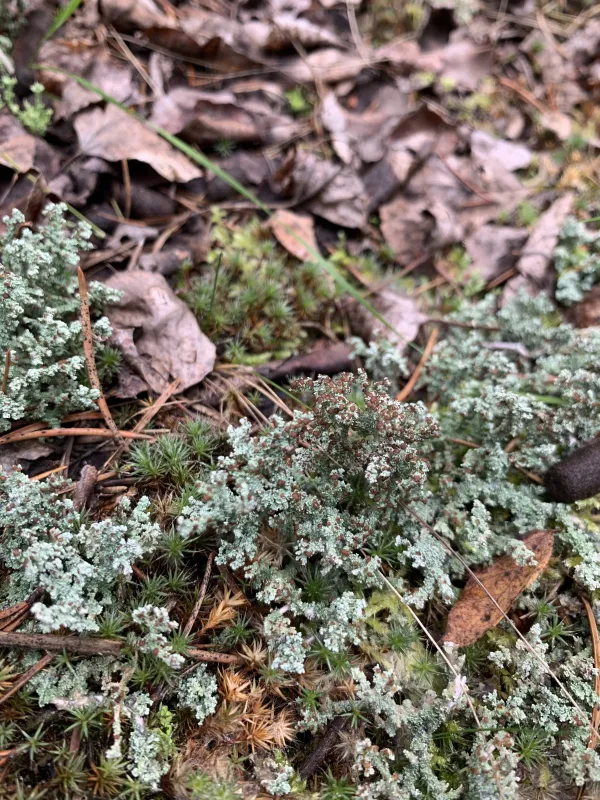
Description
Pathogen
Stereocaulon is a genus of fruticose lichens, often confused with plant pathogens due to its presence on soil and rocks. It is a symbiotic organism, not a disease agent, and causes no harm to agricultural plants.
The structure consists of a dense, shrub-like thallus known as pseudopodetia, which can grow to several centimeters. These are symbiotic associations of fungal hyphae and green algae.
These lichens do not parasitize plants; they do not have roots or haustoria, meaning they cannot extract nutrients from living plant tissues.
Reproduction occurs mainly through spores or vegetative fragmentation of the thallus, allowing them to slowly colonize new substrates over many years.
There are over 100 species globally, most commonly found in cold, moist environments ranging from the Arctic to high mountain ranges.
Conditions for development
Stereocaulon species are highly sensitive to air pollution, particularly sulfur dioxide. They thrive in pristine environments with stable humidity and good light exposure.
They are typical pioneer species, settling on bare ground, gravelly soils, or rocky surfaces where competition from higher plants is absent.
Temperature range is a key factor; they are well-adapted to cold climates and can survive freezing conditions that would kill most other organisms.
Soil nutrient levels are generally low where these lichens appear. Their presence often indicates abandoned or undisturbed land where natural succession is taking place.
They grow very slowly, sometimes only a few millimeters per year, which prevents them from invading rapidly managed agricultural fields.
Why it matters
As they are not pathogens, they pose no threat to crop health or yield. They do not induce plant diseases or cause necrosis in crops.
In agricultural settings, their presence might suggest poor soil fertility or long-term neglect, but the lichen itself is harmless to productivity.
They may slightly increase the acidity of the immediate substrate, but this effect is negligible compared to standard soil management practices like liming.
The only minor concern is the potential for these lichens to act as indicators of land that has remained fallow for a significant duration.
Ultimately, they contribute to soil development and stability, helping to prepare raw ground for the eventual establishment of more complex plant life.
Protection
No chemical or biological control agents are needed for Stereocaulon, as it is not a plant pest or disease.
Standard agricultural practices are fully effective. Tillage and plowing are the most efficient methods to remove existing lichen cover from the surface.
Restoring soil fertility through the application of fertilizers and organic matter encourages the growth of competitive crops, which naturally displaces the lichens.
Mechanical aeration of the soil ensures that the surface remains suitable for crop growth rather than supporting lichen colonies.
Good land management, including regular crop rotation and proper maintenance of soil health, will keep these organisms away from productive fields.
Discussion
No discussions yet — be the first.