
Stephanospora
Stephanospora
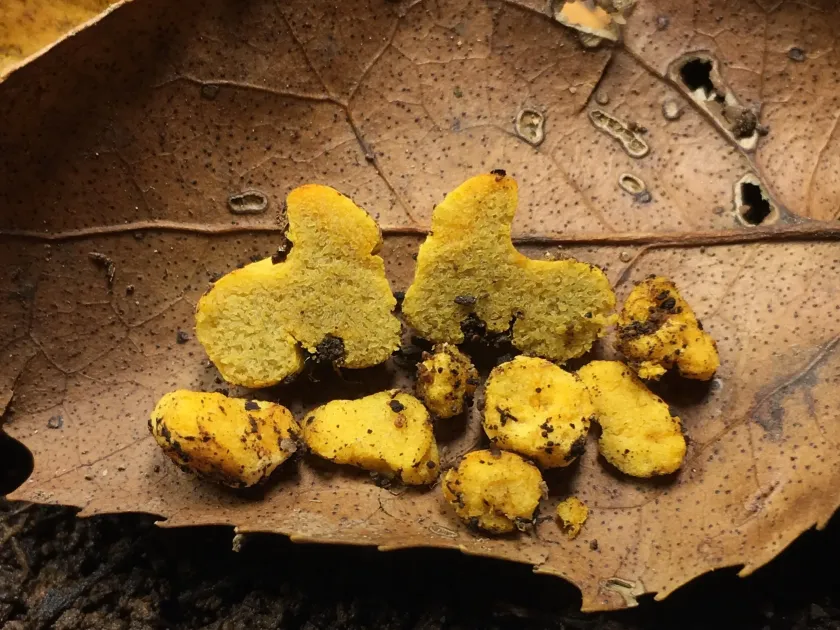
Description
Pathogen
Stephanospora is a genus of fungi belonging to the family Stephanosporaceae. While many species are known for their mycorrhizal associations, some act as pathogens, negatively affecting the root health of various plant species.
The pathogen is a soil-borne fungus that produces resistant spores, allowing it to survive for extended periods in unfavorable conditions within the substrate.
The fungus operates primarily in the rhizosphere, where it interacts with root exudates and potentially degrades root tissues, leading to weakened plant health and physiological stress.
Morphologically, the genus is distinguished by its unique spore ornamentation, which is a key diagnostic feature used by mycologists to identify the presence of this fungus in soil samples.
Dissemination typically occurs through water runoff, movement of contaminated soil by agricultural equipment, or the use of infected seedlings in propagation zones.
Conditions for development
High soil moisture is the primary environmental factor that promotes the growth and dispersal of Stephanospora spores, making waterlogged soils particularly susceptible.
The fungus thrives within a moderate temperature range, typically between 15°C and 22°C, which often corresponds to the active growth periods of many cultivated crops.
Soil pH plays a critical role in the pathogen's life cycle; neutral to slightly acidic soils are generally more favorable for its colonization and rapid mycelial spread.
The presence of un-decomposed organic matter in the soil provides a readily available food source for the fungus, significantly increasing the infectious potential in the field.
Poor soil aeration and the absence of diverse crop rotation schemes facilitate the accumulation of the pathogen, leading to increased disease pressure over consecutive seasons.
Why it matters
The harm caused by Stephanospora manifests primarily through root damage, which restricts the plant's ability to absorb essential nutrients and moisture from the soil.
Infected plants exhibit stunted growth, chlorosis, and reduced vigor, which makes them highly susceptible to secondary pathogens such as bacteria and opportunistic fungi.
For economic crops, the result is a significant decline in yield quality and quantity, often leading to total loss in highly infested greenhouses or nurseries.
The damage to the root system is often hidden below the surface, meaning the disease is frequently detected only after symptoms become severe in the foliage.
Continuous cultivation of susceptible species in infested areas can lead to long-term soil contamination, requiring expensive and intensive remedial actions.
Protection
Management begins with strict crop rotation practices, which help disrupt the pathogen's life cycle by eliminating its preferred hosts for a set period.
Improving field drainage is the most effective preventative measure to minimize the stagnant water conditions that favor the development of soil-borne fungi.
The application of biological control agents, such as beneficial bacteria and fungi, can help suppress the population density of Stephanospora in the root zone.
Using certified, disease-free planting material is essential to prevent the introduction of the pathogen into clean cultivation areas or commercial nurseries.
Chemical control with fungicides may be employed in high-risk scenarios, though it should be integrated with cultural practices to achieve the most sustainable results.
Discussion
No discussions yet — be the first.