
Sistotrema
Sistotrema
The genus Sistotrema comprises basidiomycete fungi that primarily exist as saprotrophs but can occasionally behave as opportunistic plant pathogens.
What the section contains
Sistotrema
These fungi are soil-borne and capable of decomposing organic matter. They produce hyphae with characteristic clamp connections, identifying them as members of the Basidiomycota phylum.
The biological lifecycle of the fungus is closely linked to the presence of decaying plant tissue, which serves as a nutrient source for vegetative growth.
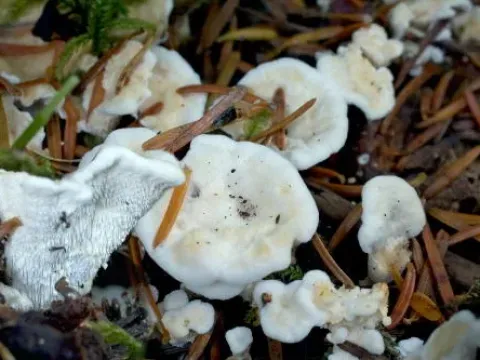
Under specific environmental conditions, these fungi produce fruiting bodies on the surface of soil or infected plant parts, allowing for spore dispersal.
The pathogen is highly adaptable and can persist in soil for extended periods, making it a persistent challenge in certain soil types and cropping systems.
Development is favored by high soil moisture levels and poor drainage, which limits oxygen availability and weakens the host's root system.
Moderate temperatures ranging from 15 to 22 degrees Celsius create an ideal environment for the mycelial growth and colonization of plant tissues.
Accumulation of undecomposed crop residues in the upper soil layer provides the necessary substrate for the fungus to establish and multiply.
Dissemination typically occurs through movement of infested soil by farm machinery, runoff water, or the use of contaminated planting material.
Intensive farming practices that ignore proper crop rotation cycles contribute significantly to the buildup of inoculum density within the field.
Infection primarily manifests as root and crown rot, resulting in stunted growth, leaf chlorosis, and general wilting of the affected plants.
In nursery and greenhouse settings, the pathogen can cause significant losses by killing young seedlings shortly after emergence.
Damage to the root system restricts nutrient uptake, which negatively impacts the overall vigor and physiological development of the crop.
Secondary infections by other opportunistic bacteria and fungi often follow, further complicating the diagnosis and treatment of the disease.
Economic losses arise from both decreased yield and the additional costs incurred during corrective maintenance and soil remediation efforts.
Effective management begins with sustainable agricultural practices, including the implementation of long-term crop rotation to break the pathogen's lifecycle.
Deep plowing is recommended to accelerate the degradation of organic matter and reduce the inoculum potential residing in the field residues.
Improving soil aeration and drainage systems is crucial for creating an environment less conducive to fungal root rot development.
Chemical seed treatments and the use of targeted fungicides can provide a protective barrier for crops during the critical early growth phases.
- Monitoring soil moisture levels regularly.
- Applying bio-fungicides containing Trichoderma species.
- Ensuring the use of high-quality, pathogen-free seeds.
- Optimizing mineral fertilization to strengthen plant immunity.