
Sirococcus shoot blight
Sirococcus conigenus
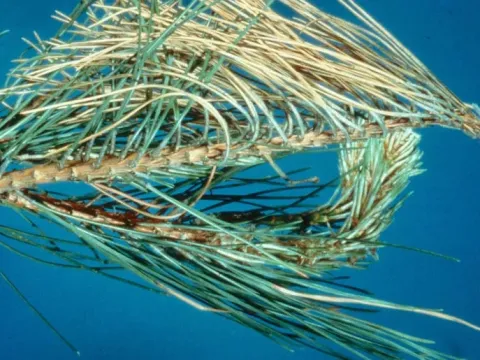
The primary symptom of Sirococcus shoot blight is the curling and wilting of new shoots during the growing season. Affected shoots often exhibit a distinctive hook shape, which is a classic diagnostic feature for identifying this fungal disease in conifers.
What the section contains
Sirococcus shoot blight
Small, black, spore-producing structures known as pycnidia develop on the infected needles and bark. These structures serve as the source of inoculum, releasing spores during periods of high humidity or rainfall to spread the disease to healthy parts of the tree.
Needles on infected shoots turn a dull yellow or reddish-brown before dropping off prematurely. This leads to sparse foliage and bare branches, significantly impacting the aesthetic value and overall health of the tree or nursery stock.
Infection typically begins in the lower canopy where humidity is higher and progresses upward. In young nursery seedlings, the fungus can kill the terminal leader, causing the plant to become stunted and deformed, eventually leading to plant death.
A close inspection of affected stems will often reveal a sharp boundary between necrotic and healthy tissue. The bark in the infected zone may appear discolored, signaling that the fungal mycelium has colonized the underlying plant tissues.
The causative agent of this disease is the fungus Sirococcus conigenus, a specialized pathogen affecting various conifer species. It thrives in cool, moist environments and is highly adapted to infecting young, succulent growth.
The fungus overwinters in dead needles, cones, and infected shoot tissue, remaining viable for extended periods. This survival strategy allows the pathogen to persist in forest debris and serve as a source of infection for subsequent growing seasons.
The life cycle of the pathogen is closely synchronized with the growth of its host. The fungus penetrates the host tissues through stomata or directly through the epidermis, then colonizes the xylem and phloem, disrupting nutrient and water transport.
Spores are dispersed via water splash—rain or overhead irrigation—and wind. Upon reaching a susceptible host, they require a film of water to germinate, which is why rainy spring weather is highly conducive to disease outbreaks.
As the fungal colony grows, it produces new generations of pycnidia, creating a repeating cycle of infection. This efficient reproductive biology allows the disease to spread rapidly through dense or stressed stands of susceptible tree species.
The development of Sirococcus shoot blight is strongly linked to high humidity and frequent rainfall during the spring bud-break period. Persistent moisture on foliage is essential for spore germination and successful colonization.
Poor air circulation, often found in dense plantings or plantations, creates a stable microclimate for the fungus. When foliage stays wet for prolonged periods, the risk of a significant disease outbreak increases dramatically.
Trees located in shaded or low-lying areas are particularly vulnerable due to slower drying times after rain. These environments often provide the ideal temperature range of 15–20 degrees Celsius for optimal mycelial growth.
The presence of old, infected plant material on the forest floor or within the crown acts as a continuous reservoir for spores. This is why sanitation is critical, especially in nursery settings where seedlings are grown in close proximity.
Stress factors such as nutritional deficiencies or physical damage can lower a tree's natural defense mechanisms, making it easier for the pathogen to establish itself. Maintaining overall vigor is an important part of disease prevention.
The damage caused by Sirococcus shoot blight includes significant loss of annual growth in young trees and nursery seedlings. This can render nursery stock unsellable and lead to major economic losses for forestry operations.
In ornamental settings, the disease destroys the visual form of the tree by causing shoot tip mortality. The loss of foliage and the resulting misshapen growth patterns are major concerns for landscape professionals and property owners.
Chronic infections can lead to the decline of entire tree stands, especially when younger trees are repeatedly subjected to the pathogen. This weakens the trees, predisposing them to secondary infestations by wood-boring insects.
Large-scale outbreaks in forest ecosystems can disrupt natural regeneration processes. The cumulative effect of needle and shoot loss can significantly reduce the photosynthetic capacity of the trees, leading to general debilitation.
If left unmanaged, the infection intensity usually increases over time. Trees that have survived multiple seasons of blight are often severely stunted and have little chance of reaching their full mature growth potential.
Sanitation is the most effective management strategy: prune and destroy infected shoots during dry weather. It is crucial to cut well into the healthy wood to ensure all fungal mycelium is removed from the tree.
Applying copper-based fungicides can help protect trees, especially during the critical spring growth period. Treatments should be timed to coincide with bud break and continued as long as conditions remain wet and conducive to infection.
Improving air circulation through careful spacing and thinning of the canopy helps reduce leaf wetness duration. In nurseries, overhead irrigation should be avoided, or at least scheduled to allow foliage to dry quickly.
Selecting and planting resistant species or varieties is the best long-term prevention. When sourcing plant material, ensure it is free from any signs of shoot blight to avoid introducing the pathogen to your site.
Regular monitoring of tree health, combined with balanced nutrition, helps plants remain resilient against fungal attacks. Always sanitize pruning tools between trees to prevent the mechanical transmission of the pathogen.