
Setameliola
Setameliola
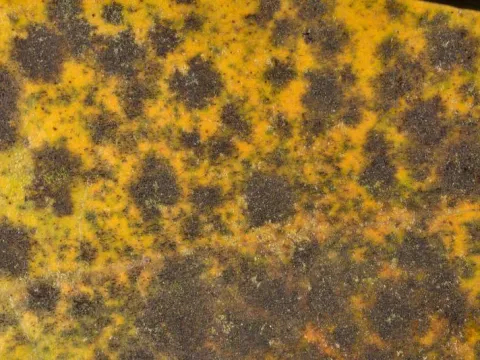
The primary symptom of Setameliola is the presence of a dark, soot-like fungal layer covering the surface of leaves, stems, and tender shoots.
What the section contains
Setameliola
This fungal growth creates a dense, dark mat that can usually be rubbed off the surface, although it reappears if environmental conditions remain favorable.
Unlike many systemic diseases, the signs are entirely superficial, appearing as a dark coating that disrupts the plant's natural appearance and function.
As the infection progresses, the affected leaves may turn yellow or begin to curl due to the lack of adequate light penetration to the leaf tissues.
Severe infestations often result in premature leaf drop, which significantly weakens the overall vigor and physiological health of the host plant.
The disease is caused by fungi belonging to the genus Setameliola, which are typically found growing on the exterior surfaces of tropical and subtropical plants.
These fungi are classified as epiphytic, meaning they thrive on the surface of plants rather than invading and destroying internal tissues directly.
The pathogen is strictly dependent on the honeydew produced by sap-sucking insects like aphids, scales, and whiteflies to obtain necessary nutrients.
Because the fungus is non-parasitic toward the plant tissue itself, the severity of the infection is directly correlated with the insect pest population density.
The relationship between the fungus and the insect vectors is symbiotic in nature, as the fungus utilizes the waste products of the insects for survival.
High humidity levels are essential for the survival and rapid spread of the fungus, making it a common issue in warm, humid climates and greenhouses.
Temperatures ranging from 20°C to 28°C provide the most suitable environment for the fungal spores to germinate and colonize new surfaces.
Poor airflow, often caused by overly dense planting or lack of proper pruning, creates stagnant microclimates that encourage the rapid growth of the mold.
A continuous supply of honeydew is the most significant condition required for the fungus to persist and expand its coverage over the host plant.
Limited light intensity in shady areas can further slow the drying process of the leaves, prolonging the periods of surface moisture needed by the fungus.
The primary damage caused by Setameliola is the reduction of photosynthesis, as the dark layer blocks sunlight from reaching the leaf's chlorophyll cells.
By impeding the plant's ability to produce energy, the disease leads to stunted growth, smaller leaves, and overall physiological stress in the infected plant.
Plants affected by the mold are more susceptible to secondary infections and may exhibit reduced flowering and lower fruit yields over time.
In commercial nurseries, the presence of the soot-like layer renders ornamental plants unsalable, causing significant economic losses for growers.
Chronic infestation weakens the plant's immune system, potentially leading to the death of branches or, in severe cases, the entire plant if left untreated.
The most effective strategy for managing Setameliola is the systematic control of sap-sucking insect populations through integrated pest management.
Washing the affected leaves with a gentle soap solution can physically remove the fungal layer and the underlying honeydew, providing immediate relief.
Regular pruning and maintenance to increase canopy ventilation help eliminate the moist environments that the fungus requires to thrive.
Chemical intervention should be secondary, focusing on insecticides to eliminate the vectors, rather than relying solely on broad-spectrum fungicides.
- Systemic control of aphid and scale populations.
- Manual cleaning of leaves with water or mild soap.
- Improved spacing for better air circulation.
- Routine monitoring for early signs of honeydew.