
Setaria tar spot
Phyllachora setariicola
Description
Symptoms
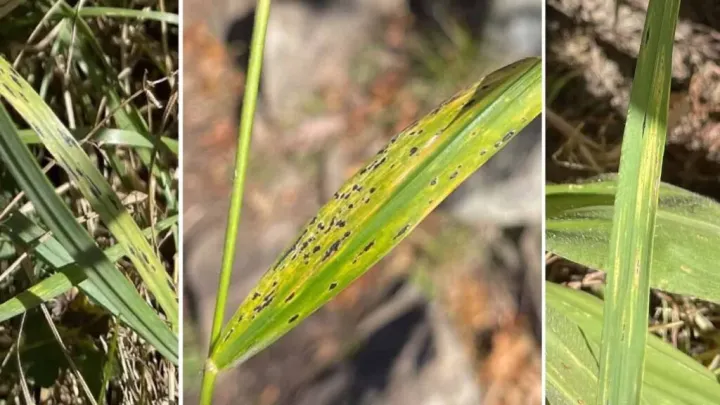
The hallmark of the disease is the appearance of small, shiny, black or dark brown spots on the leaf blades of the host plant.
These spots are actually fungal stromata breaking through the plant epidermis, which gives the leaf surface a characteristically rough texture.
As the infection progresses, these spots may coalesce, causing chlorosis and eventually necrosis of the affected parts of the leaf tissue.
The infection is predominantly found on foxtail grasses (Setaria species), though it may spread to related wild grasses under optimal conditions.
Plants affected by the fungus exhibit signs of stress, including stunted growth, premature yellowing of foliage, and reduced photosynthetic efficiency.
Pathogen
The disease is caused by the ascomycete fungus Phyllachora setariicola, which acts as a specialized parasite on various species of the Setaria genus.
The fungal mycelium spreads within the leaf tissue, eventually forming dense, black structures known as stromata where spores are produced for reproduction.
The life cycle of this pathogen is strictly tied to plant debris, where the fungus survives during the dormant season to infect new plants in the spring.
Primary infection typically occurs when environmental conditions, particularly humidity and temperature, favor the release and germination of ascospores.
As an obligate parasite, this fungus relies on the host's living tissues to complete its development and survive in the ecosystem.
Conditions for development
The development of Setaria tar spot is highly dependent on high humidity and frequent rainfall during the active growing season.
Optimal temperatures for the growth and spread of the fungus typically range between +20 and +25 degrees Celsius.
Dense canopies and poor air circulation within the field create a humid microclimate that significantly facilitates the germination of spores.
Crop debris left on the soil surface serves as the primary reservoir for the pathogen, allowing it to overwinter successfully until the next season.
Continuous cropping and failure to implement proper field hygiene are key factors that lead to the accumulation of the fungus in the soil.
Why it matters
The damage caused by this disease is primarily manifested in the reduction of the leaf surface area, leading to decreased plant biomass.
In cases where Setaria is managed as forage, the presence of the fungus reduces the nutritional quality and overall yield of the grass.
Fungal infection compromises the host plant's immune system, increasing its susceptibility to secondary pathogens and abiotic stressors.
The reduction in photosynthetic capacity leads to stunted development, which lowers the overall reproductive success of the plant.
While often viewed as a natural biological control agent for invasive weeds, it can pose risks if the fungus moves to related cultivated crops.
Protection
The most effective strategy involves crop rotation, which helps in breaking the life cycle of the pathogen by removing the host source.
Field sanitation practices, including the deep plowing of crop residues, effectively reduce the initial inoculum load in the field.
Selecting resistant cultivars or varieties of crops is a proactive measure to prevent the establishment of the fungus within the fields.
Regular monitoring and weeding of grass reservoirs around the fields help in containing the spread of the fungal infection.
In intensive agricultural settings, the application of broad-spectrum fungicides can control the pathogen if symptoms are detected early.
Discussion
No discussions yet — be the first.