
Saccotheciaceae fungi
Saccotheciaceae
Saccotheciaceae is a family of fungi within the class Dothideomycetes. These pathogens are responsible for a range of plant diseases, primarily characterized by leaf spots, necrosis, and shoot blight on various agricultural and horticultural crops.
What the section contains
Saccotheciaceae fungi
The disease cycle typically involves the formation of ascostromata, where asci containing ascospores are developed. These spores are the primary inoculum, facilitating the spread of the pathogen through wind dispersal or rain splashing onto susceptible hosts.
These fungi are highly adapted to survival in plant debris, where they overwinter as mycelium or dormant fruiting bodies. This persistence makes them challenging to eliminate, as the inoculum remains viable in the soil or on fallen leaves from one season to the next.
Infection commences when spores land on plant surfaces. Under favorable conditions, they germinate, and the mycelium penetrates the host tissue, often through stomata or mechanical wounds, initiating the colonization process that leads to disease symptoms.
The taxonomic structure of the Saccotheciaceae family is complex, with many species showing host-specificity. Agronomic diagnosis is essential because different species may produce varying symptoms depending on the specific host plant species involved.
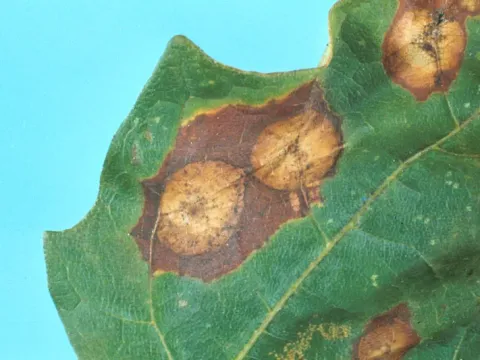
Characteristic symptoms include necrotic lesions of various shapes and colors on foliage. These spots often develop a distinct margin, which acts as a barrier or indicates the plant's defense response against the fungal intrusion.
As the infection progresses, small black dots, representing pycnidia or ascostromata, emerge within the necrotic tissue. These are vital signs of the fungus entering its reproductive stage, signaling a rapid increase in the pathogen population.
Infection of stems and branches can lead to bark cracking and the formation of deep ulcers. This damage disrupts the plant's vascular system, hindering the transport of water and nutrients, which eventually leads to the wilting and death of affected branches.
Premature leaf drop is a common consequence of heavy infection, which significantly reduces the photosynthetic area of the plant. This loss of vitality makes the plant weaker and more susceptible to environmental stressors and secondary pests.
In humid conditions, a fine coating of conidial spores may appear on the surface of the lesions. This powdery or slimy growth is a clear indicator of active sporulation and suggests that the fungus is currently spreading to neighboring plants.
High humidity and moisture are the primary drivers of Saccotheciaceae development. Prolonged rainfall, heavy fog, and dew periods provide the necessary water film for spore germination and successful entry into host tissues.
The optimal temperature range for the development of most species in this family is between +18°C and +25°C. Within this range, the incubation period is shortened, leading to rapid disease development and potential epiphytotics in dense plantations.
Poor agricultural practices, such as excessive crop density, reduce airflow within the canopy. This microclimate stagnation maintains high relative humidity for longer periods, creating an environment highly conducive to fungal outbreaks.
Excessive nitrogen fertilization often leads to rapid, succulent growth that is more prone to pathogen penetration. Soft tissues are easier for the fungal mycelium to breach, compared to the tougher, well-hardened tissues of properly fertilized plants.
The presence of infected plant debris is the most critical factor for disease recurrence. Because the pathogen overwinters on old leaves and twigs, effective sanitation is the most significant step in preventing early spring infection.
The primary impact of Saccotheciaceae fungi is the reduction in crop yield due to the destruction of the photosynthetic leaf area. This limits the energy available for fruit development, resulting in lower total yield and diminished product quality.
Infecting fruits or berries causes deformation, spots, and premature rot, rendering them unsuitable for market. This leads to significant economic losses for farmers, as the produce loses its commercial value and storage life.
Chronic infection in woody plants causes gradual decline and loss of vigor. The wood can become brittle, and the overall cold hardiness of the plant decreases, leading to potential loss of trees or shrubs during harsh winter conditions.
The necrotic lesions created by the fungi often serve as entry points for secondary pathogens, including bacteria and other fungi. This secondary invasion can lead to the rapid decay and eventual death of entire branches or the whole plant.
Frequent outbreaks necessitate repeated fungicide applications, which increase production costs and reduce overall profitability. Furthermore, the reliance on chemical control can negatively impact the farm's environmental sustainability goals.
The most effective strategy against these fungi is an integrated approach combining sanitation and chemical management. Removing and destroying all infected plant materials is critical to eliminating the primary source of inoculum.
Fungicide application should be timed with critical development stages of the plant. Preventive sprays are more effective than curative ones, as they create a protective barrier that stops the fungus before it can successfully establish itself.
Crop rotation and selecting resistant varieties are essential long-term management practices. By interrupting the life cycle of the pathogen and introducing resistant genetic traits, farmers can significantly reduce the pressure of these fungal diseases.
- Applying copper-based fungicides in early spring.
- Using systemic fungicides (e.g., triazoles or strobilurins) during high-risk periods.
- Sanitary pruning of infected branches followed by disinfection of tools.
- Providing balanced potassium and phosphorus fertilization to boost natural immunity.
Biological control methods are gaining popularity as they offer an environmentally friendly alternative to traditional chemicals. The use of beneficial microbes can help suppress fungal growth in the soil and on the plant surface without toxic residues.