
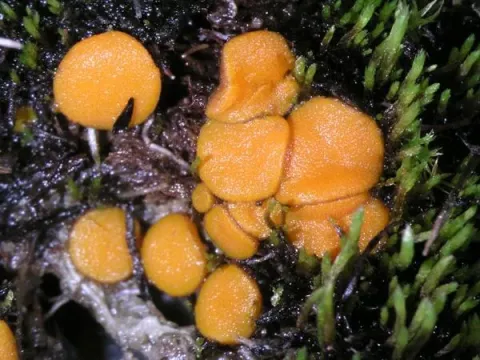
Saccobolus glaber
Saccobolus glaber
Saccobolus glaber is a species of fungi in the family Ascobolaceae. It is classified as a coprophilous fungus, meaning it primarily thrives on the dung of herbivores.
What the section contains
Saccobolus glaber
The fungus produces small, yellowish-to-brownish apothecia, which are the reproductive structures visible to the naked eye under favorable environmental conditions.
In terms of agricultural pathology, it is not considered a plant pathogen. It does not infect living plant tissues, cause lesions, or lead to systemic plant diseases.
Its biological cycle is centered on the decomposition of organic matter. It acts as a saprotroph, breaking down complex plant fibers present in manure or organic residues.
The presence of this fungus in fields is typically an indicator of recent application of uncomposted or poorly fermented organic fertilizers.
The development of Saccobolus glaber requires high moisture levels and a nutrient-rich substrate, such as manure or decaying plant debris in the soil.
Moderate temperatures are optimal for the maturation of its spores. The fungus is highly sensitive to desiccation and requires consistent humidity to maintain its mycelial network.
Spores are disseminated by wind currents or through the movement of animals, equipment, and water runoff. These spores can remain dormant in the soil until suitable conditions recur.
Agricultural practices such as over-irrigation and poor drainage in fields increase the susceptibility of the soil to colonization by this fungal species.
Correct management of compost piles, ensuring they reach sufficient thermophilic temperatures, is the most effective way to prevent the survival and spread of the fungus.
Saccobolus glaber does not cause direct economic damage to crops. It does not compete with plants for nutrients in a way that restricts their growth, nor does it release phytotoxic substances.
The primary concern regarding this fungus is its potential to indicate poor soil management, specifically the application of immature organic amendments that may contain other, more harmful pathogens.
In indoor agricultural settings like greenhouses, its growth can be a warning sign of stagnant air and excessive moisture, which could foster the development of detrimental plant diseases.
It occupies an ecological niche as a decomposer, which may temporarily alter the local microbial equilibrium, but this impact is generally negligible in healthy, well-tilled soil.
Overall, it is considered an indicator of soil biological activity rather than a threat to agricultural productivity.
No chemical control measures or fungicides are recommended for Saccobolus glaber, as it is not a primary pathogen of crops and does not impact plant health directly.
Management is strictly focused on preventative agrotechnical practices. The most critical step is ensuring all manure or compost is fully decomposed before it is incorporated into the field.
Soil aeration via proper cultivation techniques helps to limit the buildup of organic substrates that favor the growth of saprotrophic fungi.
Improving greenhouse ventilation and monitoring moisture levels in the growing media can effectively prevent the appearance of this and other incidental fungal growth.
- Ensure thorough composting of animal manure.
- Practice regular soil cultivation and aeration.
- Maintain optimal drainage in agricultural plots.