
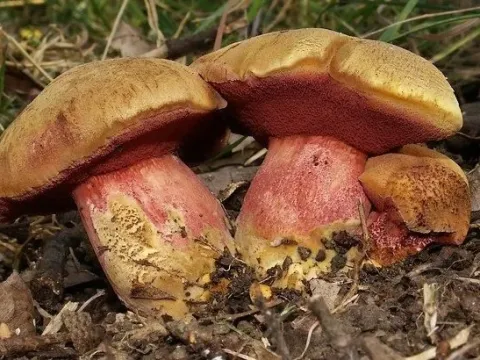
Rubinoboletus
Rubinoboletus
Rubinoboletus is a genus of basidiomycete fungi belonging to the Boletaceae family. While typically recognized for forming mycorrhizal symbioses, in specific ecological conditions, it may manifest as a pathogen affecting the root systems of trees and other woody plants.
What the section contains
Rubinoboletus
The causative agent propagates through spores disseminated by wind, rainwater, and soil-dwelling insects. Mycelium penetrates the root tissues, establishing a relationship that can shift from symbiotic to parasitic, leading to metabolic decline in the host.
Biologically, this organism functions as a soil-inhabiting saprotroph with potential pathogenic tendencies. It thrives in forest ecosystems where it colonizes organic debris and occasionally transitions to living roots of susceptible hosts.
The life cycle is closely integrated with the root architecture of coniferous and deciduous species. Fungal hyphae invade the intercellular spaces, disrupting the plant's ability to effectively transport water and essential nutrients.
Microscopic analysis of infected roots often reveals characteristic hyphal colonization and cell wall degradation, which compromise the structural integrity and health of the entire root system.
The primary symptom is the discoloration of the root system, often appearing as a distinctive ruby-red or brownish-red hue, which is typical for the infection processes associated with this genus.
Above-ground symptoms include chlorosis, where leaves or needles turn yellow, lose turgor, and eventually drop. Growth rates of shoots and branches diminish significantly, indicating systemic nutritional stress.
Formation of fungal fruiting bodies at the base of the stem is a diagnostic indicator. These mushrooms feature a spongy undersurface that may bruise or change color upon physical pressure.
Internal examination of affected roots shows areas of necrosis and tissue softening. The plant may attempt to isolate the infection through the overproduction of cork tissue, resulting in visible deformations.
During the growing season, wilting of the crown and premature needle or leaf drop are common, reflecting the loss of functional conducting tissues in the root zone.
The development of this fungal condition is strongly correlated with high soil moisture levels and poor drainage. Waterlogging creates the ideal environment for spore germination and rapid mycelial expansion.
Temperature plays a crucial role in pathogen activity. The fungus shows peak development in temperatures ranging from +18 to +24 degrees Celsius, especially when combined with high atmospheric humidity.
Soil aeration is a critical factor; compacted or clay-heavy soils that lack oxygen favor anaerobic conditions that weaken the host's resistance, facilitating easier invasion by the pathogen.
Accumulation of decaying organic matter on the forest floor or in nurseries provides a rich nutrient source, allowing the fungus to build up high inoculum levels before attacking living roots.
Soil pH levels also influence susceptibility; acidic soils are generally more conducive to the aggressive colonization of young saplings by this fungal group.
The primary harm lies in the reduction of the host's overall physiological vigor. Infected plants become significantly more susceptible to secondary stressors, including drought, frost, and insect infestations.
In nursery environments, the presence of this fungus can lead to mass mortality among young seedlings, resulting in substantial financial losses and delayed reforestation projects.
Systemic damage to the root system renders the tree unstable. Such trees are at a higher risk of being windthrown during storms, further increasing the damage to the plantation.
Disruption of symbiotic networks leads to stunted growth and poor timber quality, reducing the overall economic value of affected forest stands.
Without intervention, the pathogen can spread through soil contact, creating extensive areas of decline and leading to the eventual death of affected trees over several growing seasons.
Prevention focuses on proper site selection for planting, avoiding areas prone to waterlogging and ensuring adequate soil drainage is maintained.
Regular phytosanitary monitoring is essential. Detecting early signs of infection allows for the removal of affected plants before the pathogen spreads to surrounding healthy specimens.
Systemic fungicides approved for forestry use can be effective in suppressing mycelial activity in the root zone if applied during the early stages of the disease.
Removal of infected trees, including the entire root mass and surrounding soil, is a critical step in containing the disease and preventing further spread through the soil profile.
- Installation of subsurface drainage systems.
- Application of balanced fertilizers to support host vigor.
- Sanitation removal of forest debris to reduce inoculum sources.