
Rubroboletus
Rubroboletus
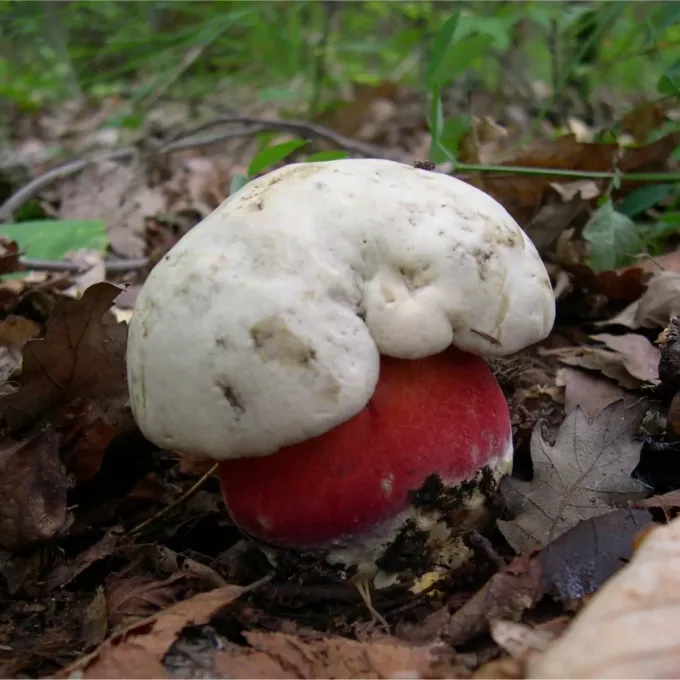
Description
Pathogen
The genus Rubroboletus is not a plant pathogen and does not cause diseases in agricultural crops or ornamental plants. These fungi are obligate mycorrhizal symbionts that form mutually beneficial relationships with the roots of forest trees, primarily oaks and beeches.
Unlike pathogenic fungi that degrade plant tissues, Rubroboletus species contribute to the nutrient exchange process. They extend the surface area of tree roots, helping the tree access phosphorus and other microelements, which promotes overall tree health.
These fungi are taxonomically classified within the Boletaceae family. Their distinctive red-pored fruit bodies often lead to misidentification, but they are completely harmless to the living tissues of the host tree.
From an agronomical perspective, the presence of these fungi indicates a healthy soil environment and a functional ecosystem rather than a disease infestation. No containment or eradication measures are necessary for these species.
Biological interactions involving Rubroboletus are strictly limited to the rhizosphere of mature trees. They do not pose a threat to crop stability, nor do they secrete any substances that could be categorized as phytotoxins.
Conditions for development
Rubroboletus species thrive in specific ecological niches, typically found in warm, temperate deciduous forests. They have a strong preference for calcareous or well-drained alkaline soils, which support their complex mycelial networks.
The development of fruit bodies is highly dependent on seasonal humidity and temperature ranges. They generally appear during mid-summer to early autumn, provided that the soil moisture remains consistent but not waterlogged.
As mycorrhizal organisms, their life cycle is inherently tied to the vigor of their host trees. They rely on the host's carbon source, making them entirely dependent on the survival and vitality of the forest ecosystem where they reside.
Soil chemistry is a limiting factor for their distribution. Regions with highly acidic soils rarely support the growth of Rubroboletus, highlighting their need for specific nutrient and mineral profiles provided by limestone-derived substrates.
Management of these fungi is non-existent because they are beneficial indicators of ecological stability. Any agricultural practice aimed at soil improvement usually fosters a better environment for mycorrhizal networks, including those formed by these boletes.
Discussion
No discussions yet — be the first.