
Rhynchogastrema
Rhynchogastrema
Rhynchogastrema is a genus of fungi belonging to the class Leotiomycetes. As a phytopathogen, it is capable of infecting a variety of plant species, primarily focusing on foliage and stems.
What the section contains
Rhynchogastrema
The biology of the pathogen involves the production of spores that are easily dispersed through air currents and water splashes. This mobility allows it to spread rapidly across fields under suitable conditions.
The fungus survives in crop residues and topsoil, making it a persistent threat in agricultural environments. Its ability to remain dormant ensures its survival between growing seasons.
Infection occurs through the direct penetration of the plant's cuticle or through natural openings like stomata. Once inside, the fungus secretes enzymes to break down plant cell structures.
Understanding the life cycle of this pathogen is crucial for creating effective management strategies. Constant monitoring of fields during the vegetation period is highly recommended.
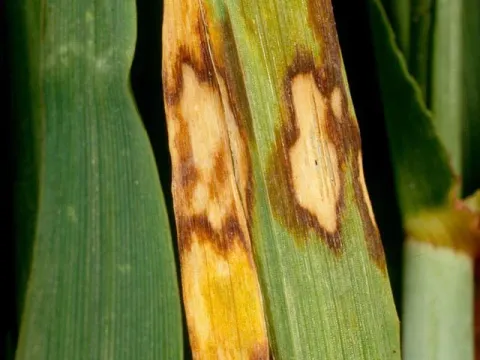
Symptoms typically begin as chlorotic spots on leaves, which eventually develop into necrotic lesions. These spots may merge as the disease progresses throughout the canopy.
Tiny dark fruiting bodies often emerge within the necrotic tissue. These structures are diagnostic markers for identifying the pathogen during laboratory examination.
Premature leaf yellowing and senescence are common outcomes of severe infections. This reduction in leaf area directly negatively impacts the plant's photosynthetic capacity.
Deformation of stems and reduced overall plant vigor are frequently observed in heavily infested fields. Affected plants may show stunted growth and poor fruit development.
In humid conditions, a fine fungal bloom may appear on the underside of the leaves. This is often followed by tissue collapse and the development of dry rot symptoms.
High humidity is the primary driver for the development and spread of Rhynchogastrema. Prolonged rainy spells significantly increase the severity of outbreaks.
The fungus thrives within a moderate temperature range, typically observed during the spring and early summer months. Warm, wet weather is optimal for mycelial growth.
Poor field hygiene, particularly the presence of infected plant debris, acts as a primary source of inoculum. Dense planting patterns also contribute to localized humidity build-up.
Plants under physiological stress, due to nutrient imbalances or mechanical injuries, are more susceptible to successful fungal colonization.
Proper air circulation within the field or greenhouse is essential for preventing the pathogen from finding the moist environment it requires for establishment.
The primary economic impact of this disease is the reduction of total crop yield. Infected plants often produce undersized fruits or seeds of low quality.
Post-harvest losses are a significant concern, as produce infected with Rhynchogastrema is more prone to rapid decay during storage and transportation.
The disease compromises the plant's health, making it an easier target for secondary infections. This leads to increased management costs and reduced farm profitability.
Agricultural operations, such as harvesting and sorting, become more difficult due to the lack of uniformity in the field. This increases operational labor costs.
In severe cases, entire sections of a crop can be lost if the disease is not detected early and managed properly during the critical vegetative phases.
Crop rotation is the foundation of managing this pathogen. By alternating host and non-host crops, growers can significantly reduce the inoculum present in the soil.
Deep plowing or incorporating crop residues into the soil helps accelerate the decomposition of plant material, thereby destroying the fungus's wintering sites.
Application of fungicides should be performed according to established spray schedules. Choosing products with different modes of action prevents the development of resistant strains.
Selecting and breeding resistant varieties remains the most sustainable and cost-effective approach to long-term disease management.
- Remove and destroy infected plant debris.
- Ensure optimal plant spacing for better airflow.
- Implement balanced fertilization programs.
- Use certified disease-free seeds or planting material.